How to cook "with visual instructions" "using familiar ingredients from your local grocery stores" healthy, traditional and delicious Japanese dishes!!
I very much appreciate that some of you have already read this book and left wonderful reviews on Amazon, goodreads, Barnes & Noble, or other online book shopping sites!
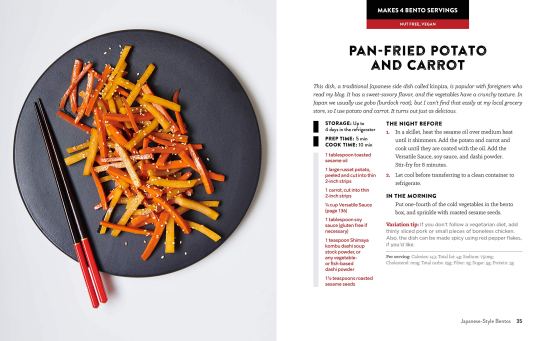
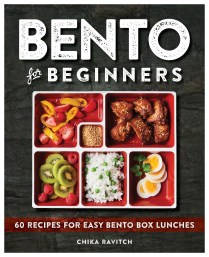
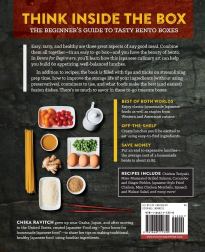
I am so excited to announce that my vert first book
BARNES & NOBLE, Amazon, INDIE BOUND, BAM!, and Indigo!!
If you are interested in and haven’t read yet, I hope you try at some point!! The kindle version and paperback are available. And I would appreciate it if you could leave your review!!
Today I introduce you to “How to cook Japanese rice perfectly and easily”. If you have a rice cooker, you can just follow their directions. But if you don’t have one, this is the easiest recipe for perfect Japanese rice.
Steamed rice is a staple food in Japanese cuisine. Japanese rice has soft texture and rice grains are shiny when it is cooked! We mostly eat rice two or three times a day. Even when we don’t cook, most super markets and convenience stores have many kinds of rice balls and rice products can be cooked in microwave.
Lately, some people add multi-grain rice to white rice when it is cooked to make the dish healthier but steamed white rice remains perennial favorites.
Find dried short-grain white rice, not “sweet sticky rice”.
Wash and soak rice for 30 minutes before cooking.
The heat level is the key. Once it boils, turn down the heat to very low not to get burned.
Do not open the lid when it is cooking even if it bubbles over. Wait patiently.
Steam the rice for 10 minutes after cooking.
Detailed and visual instructions can be found in the recipe PDF: Japanese rice
Tips for storing cooked rice;
Put one portion of cooked rice without cooling down in a glass container with a lid or freezer bag, or wrap with plastic wrap. Store in the freezer and use within 3 weeks. When you eat, put unwrapped frozen rice on a microwave-safe plate and microwave for 2 to 3 minutes with a cover.
The key to store is to freeze the rice without cooling so it has fresh cooked rice taste even after storing for 3 weeks in the freezer.
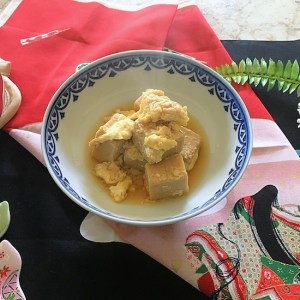
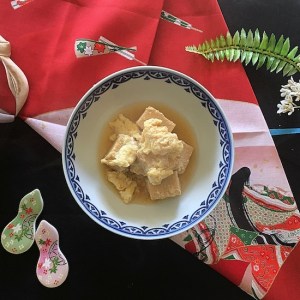
Today I introduce you to “Simmered freeze-dried tofu with egg”. The dish has delicious dashi flavor and is very healthy.
Freeze-dried tofu is very common preserved food in Japan. It is rich in nutrients and delicious. The tofu has been often used as an ingredient in Buddhist cuisine since 1600s.
The taste is very light and doesn’t have tofu aroma which is good for people who don’t like tofu very much. The texture is totally different from regular tofu. We can grill, simmer, bake and pan-fry them. Moreover, this is a great substitute for meat lately in Japan.
The recipe is very easy.
Bring the sauce to a boil and add the tofu. Simmer 15 minutes and drizzle with beaten egg.
Detailed and visual instructions can be found in the recipe PDF: Freeze Dried Tofu
{Ingredients (serving 2)} *Click BLUE TEXT to link to the product on Amazon*
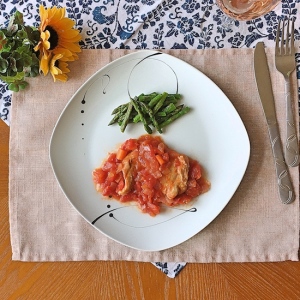
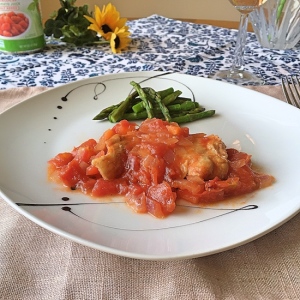
Today I introduce you to “Japanese-style braised chicken thighs with tomato”.
In the recipe, I use cooking sake, bay leaf, sugar, salt and pepper as seasonings and it is marvelous! The reason to add cooking sake is that it makes chicken soft and juicy and it rids the meat of its smell.
In Japan, people sometimes season tomato sauce dishes with soy sauce too. This adds great Asian flavor to the dish.
The dish is very hearty but the recipe is not complicated. You can cook with just one pan.
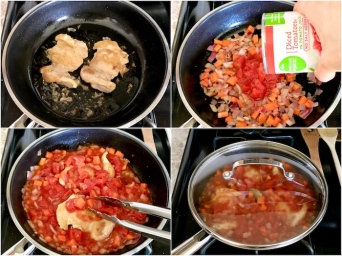
Cook chicken in a pan and set aside. With the pan, make tomato sauce. Put chicken back in the sauce and simmer.
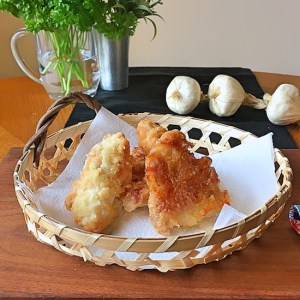
Japanese-style fried chicken called Karaage in Japanese, is made in a very thin batter so it is very juicy, tender and has great ginger soy sauce and garlic flavor. I am sure once you have a bite, you will not be able to stop eating because it is so yum!
In the traditional recipe, the chicken is deep-fried in oil but I cook them in the oven that makes the dish healthier, and of course it still tastes divine!! Also I use corn starch and gluten free soy sauce, so the dish is great for people who follow gluten-free diet.
In Japan, there are many kinds of Karaage, such as chicken, chicken gristle, shrimp, calamari, octopus, fish, fish bone and so on. You can use this recipe for those ingredients too.
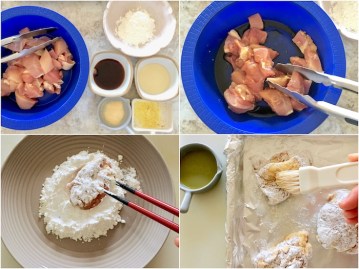
The recipe is very quick and easy. There is no need to wait for marinating!!
Season the chicken and dredge in corn starch. Brush with some oil and bake on a prepared baking sheet in the oven.
Detailed and visual instructions can be found in the recipe PDF: Oven-fried chicken
Ingredients (Servings 2)
*Click BLUE TEXT to link to the product on Amazon*
Today I introduce you to “Homemade Ginger Chicken.” This is an incredibly flavorful dish marinated mainly with ginger and soy sauce.
As you know, ginger is extremely healthy. When you cook ginger, Gingerol, which is a flavor ingredient, changes chemically to Shogaol. This warms up our body and increases our metabolism. I often use ginger in my meals to make dishes flavorful and healthier!!
In this recipe I use chicken, but you can use pork instead of chicken if you prefer. If you use pork just make sure it is sliced thinly.
The recipe is very easy.
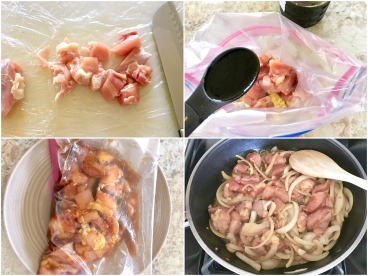
Marinate cut chicken in a zipper plastic bag. Cook it with sliced onion in a pan.
Detailed and visual instructions can be found in the recipe PDF: Ginger Chicken Thigh
Ingredients (Servings 2) *Click BLUE TEXT to link to the product on Amazon*
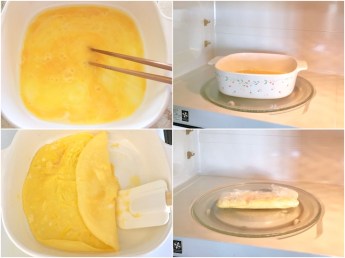
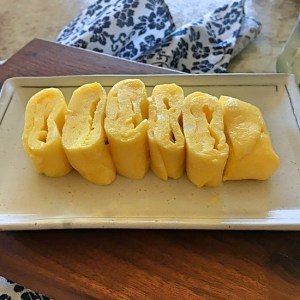
Today I introduce you to “Microwaved Japanese-Style Fried Egg ”. Usually we use a special rectangular pan. Here is a quick instruction: Cook thin fried egg and fold up twice. Under the egg, make another thin fried egg and wrap the first fried egg. Continue this 3 or 4 times. Once you get used to cooking this, it is easy, but we need practice so here I will show you how to cook in the microwave. It doesn’t have the exact same shape as pan-fried egg but it is similar and of course it tastes delicious!
In Japan, this kind of fried egg is a very popular dish, even more than scrambled egg or sunny side up. We frequently add to our meals as a side dish and also add to lunch boxes.
Interestingly, there is a difference in the fried egg seasoning between west and east Japan. In western Japan, it tastes savory, seasoned with soy sauce and Dashi stock. In eastern Japan, it has a slightly sweet taste because sugar is added.
In this recipe I made sweet fried egg so that kids will like it too. The seasonings are sugar and milk (any kind is okay). If you want to try authentic fried egg, you can add 1 tsp. of cooking sake and soy sauce to the beaten egg. This makes the egg more flavorful!!
Here is a tip to cook egg in the microwave. Because of the egg’s elements, eggs sometimes change to purple-ish blue color in the microwave. This is natural and doesn’t harm you. However, in Japanese cuisine, the final presentation is very important so we add a splash of vinegar to the beaten egg. This keeps the egg from changing color when we cook in the microwave.
The recipe is very easy.
Whisk eggs and seasonings. Microwave. Make the shape with plastic wrap and microwave again.
Detailed and visual instructions can be found in the recipe PDF: Microwave Fried Egg
Ingredients (servings 2)
3 Eggs
1 Tbsp. Sugar
1 Tbsp. Milk (any kind)
1 tsp. Vinegar
Detailed and visual instructions can be found in the recipe PDF: Microwave Fried Egg
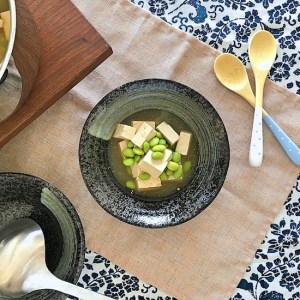
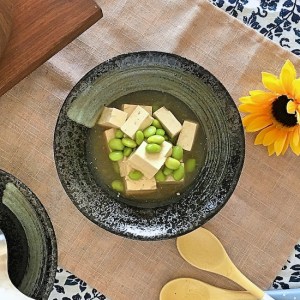
Today I introduce you to a great high protein dish“Tofu and Edamame with Flavorful Thick Sauce”. This is an incredibly easy, healthy and delicious dish so it is great for weeknight dinners.
The seasonings are soy sauce and cooking sake. Also I use corn starch slurry to make the sauce thicker. The thick sauce coats tofu and edamame and you can enjoy all the flavors together.
I used frozen edamame in the recipe but you can use fresh too. Edamame is a very useful, versatile and nutritious ingredient. You can add it to many dishes, like omelet, soup, salad, rice, pasta and so on. Or you can just snack on boiled edamame! In Japan we traditionally eat edamame as an appetizer when we drink beer at dinner. The reason being that edamame may help the function of the liver which helps breakdown alcohol. At some common Japanese restaurants, Izakaya, they serve edamame right after we are seated before weorder, like bread sticks in an Italian restaurant (mostly the cost is included in the price as a service fee).
The recipe is very easy and quick.
Place tofu, edamame and seasonings into a pan and cook. Add slurry and serve!
It is a vegan and gluten free dish when you use kelp dashi stock or your favorite vegetable broth, and gluten free soy sauce.
Ingredients (servings 2) *Click BLUE TEXT to link to the product on Amazon*






 )
)





 any kind you choosing







 Your Home for Homemade Japanese Food