Your Home for Homemade Japanese Food

How to cook "with visual instructions" "using familiar ingredients from your local grocery stores" healthy, traditional and delicious Japanese dishes!!


2 Comments

Okra Tempura (Vegetarian)

Today I introduce you to Okra Tempura. This tempura dish has a different texture from the fried-okra you may find in the U.S.  The tempura batter is crunchy but not thick. I season it with just sea salt when I eat it so I can enjoy the taste of okra.


My book Bento for Beginners: 60 Recipes for Easy Bento Box Lunches

is now available on Amazon!!

img_5638


My mother used okra in her meals a lot because of the  nutrition. Inside, okra has a gooey texture from the pectin (a soluble fiber) and mucin (a protein). These two nutrients improve our digestion. Okra is also high in beta-carotene, minerals, vitamins and so on.

About my tempura batter, I always try to make tempura with a great crunchy (not greasy) texture because it is more delicious. In this recipe, I show you how to make  the best batter for crunchy tempura. I hope you like it.


{Ingredients (servings 2 as side dish)}

10~16 Okura

1 Egg

½ cup Cold Water

½ cup Flour

Vegetable Oil for frying


Here is my recipe in PDF (4 MB): Okra Tempura

11 Comments

My mother’s “Keema Curry”

This is my mother’s original “Keema Curry” recipe which she made for us as kids when we couldn’t handle spicy food. It is a little different from authentic Keema Curry, but its great for the whole family.

We label this dish as a “Dry Curry” in Japanese because there is no soup. “Keema Curry” basically means a curry dish using ground meat. In Japan, Curry is very popular especially among kids because we can eat it with steamed rice.

I used “Curry Powder.” The ingredients in the powder are: paprika, garlic, ginger, cumin, coriander, black pepper, cayenne pepper, cinnamon, cardamom, cloves, and saffron. It is very nutritious and is high in vitamin E, vitamin K, iron, beta-carotene, potassium, magnesium and so on. These helps increase our metabolism and also have antioxidant properties.

Additionally, this dish is great for mothers and fathers who have children who are picky eaters because you can mince and add various vegetables and cook with ground meat. The curry taste helps cover the taste of most vegetables so even picky eaters can get a lot of good nutrition.

Enjoy this curry dish with steamed rice or your favorite bread!

{Ingredients (servings 2)}

1 lb. Ground Chicken

½ Eggplant

1 Carrot

1 small Onion

3 Tbsp. Vegetable Oil

2 tsp. Curry Powder (ingredients: paprika, garlic, ginger, cumin, coriander, black pepper, cayenne pepper, cinnamon, cardamom, cloves, and saffron)

1 tsp. Salt

1 tsp. Black Pepper

15 dashes Worcestershire Sauce

½ Tbsp. Ketchup

½ Tbsp. Soy Sauce

Steamed Rice, for serving
(Recommended Dried Rice) Nishiki Premium Rice

Here is my recipe in PDF (5 MB): Keema Curry


10 Comments

Bacon Millefeuille Nabe

Nabe is a traditional Japanese simmering dish. We simmer sea food or meat with various vegetables in Dashi stock seasoning with cooking Sake and soy sauce.

z4901140907395_Fotor

At home or in restaurants we usually set a cooking pot on a countertop range on the table and share it as cooking the dish. The dish and the cooking warm us and the room up so it is common to have Nabe in winter.

IMG_1426_Fotor

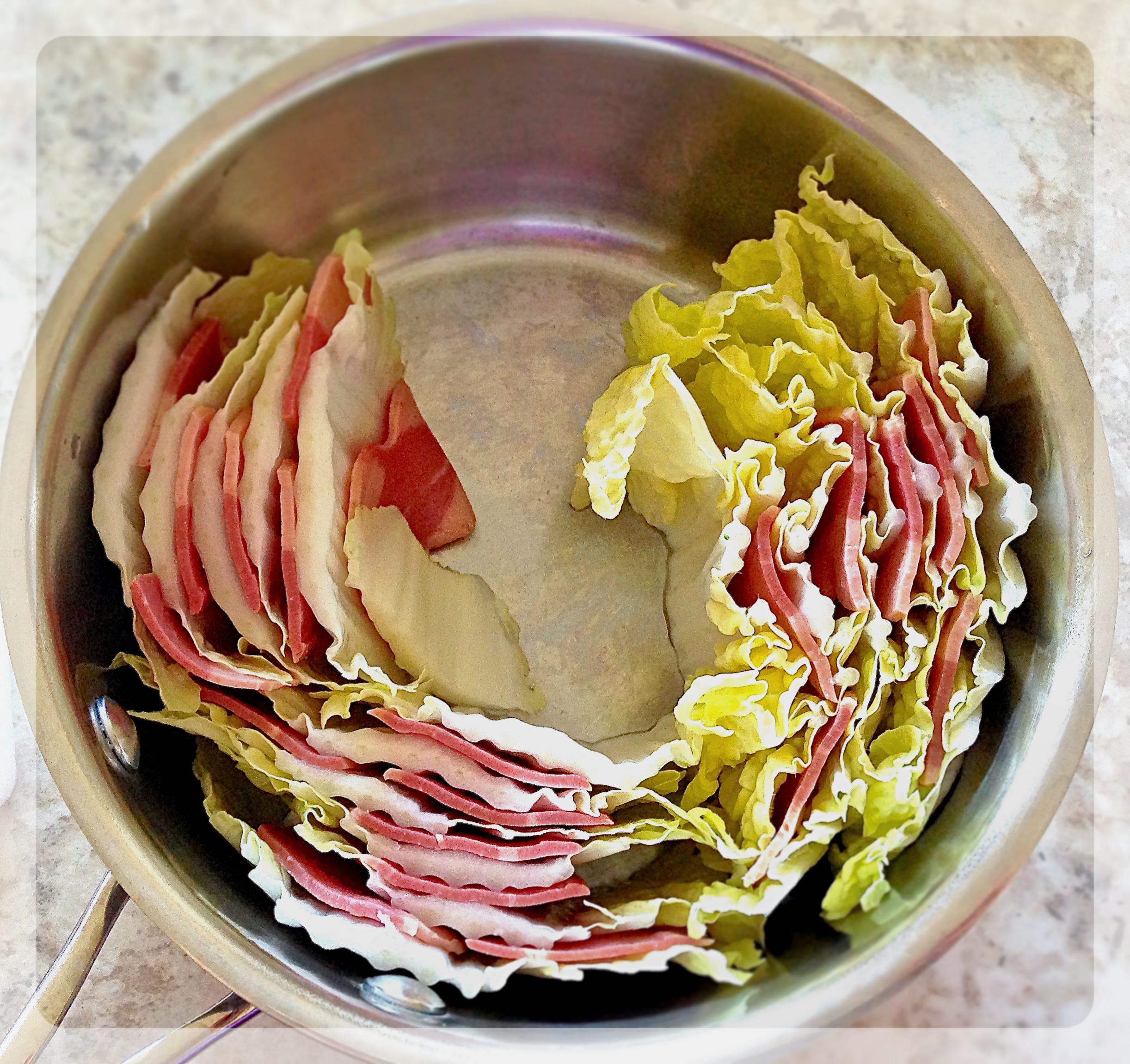
Today I will introduce you to bacon (I use turkey bacon, but you can use any kind) and Napa cabbage millefeuille Nabe, which requires that we set bacon and Napa cabbage leaves alternatively in a pan and simmer in Dashi stock. This time I used Kelp Dashi stock, but you can use any kind of stock you want.

IMG_8633_Fotor IMG_8634_Fotor

We add many kinds of vegetables to Nabe but Napa cabbage is a must-have vegetable. 95% of Napa cabbage is water so it is easy to eat for everybody because of it’s tender texture. The cabbage water also makes Nabe juicy even when simmering for a long time.  Napa cabbage also has great nutrition. It is low calorie and high in vitamin C, potassium, iron, magnesium and so on.

Juicy, tender Napa cabbage and bacon makes your Nabe very delicious! I hope you will like it!!

{Ingredients (servings 2)}

1 head Napa Cabbage

20 slices Bacon

1 cup Kelp Dashi Stock (any kind of stock is okay)
(Recommended instant bonito Dashi powder)Ajinomoto – Hon Dashi

1 Tbsp. Cooking Sake

1 Tbsp. Soy Sauce

Here is my recipe in PDF (5 MB): Bacon Millefeuille Nabe

Here is “Kelp Dashi stock” recipe in PDF: Kelp Dashi stock


9 Comments

Green Pea Rice (Vegan/Vegetarian/Gluten-Free)

Today I introduce you to steamed white rice with green peas. The Japanese process for cooking rice is a little complicated, so in this recipe I show you the easiest way to cook steamed rice. It takes about an hour, but you don’t need to do much.

We have many kinds of seasoned-steamed rice recipes, because rice is the most important carbohydrate in the  Japanese diet. Japanese rice is short-grain rice which is soft, sticky and a little bit sweet in taste. This is good for ease of digestion and also great for making Sushi rice.

The “Green Pea Rice” in this recipe has a slightly salty taste and a very tender green pea texture so even kids who don’t like green peas tend to eat this rice happily.

Green peas are high in protein, vitamins, minerals, fiber and so on. Green Peas also have more vitamin B1 and fiber than many vegetables. But the nutritional value can weaken under the heat so when you cook, you can add the green peas to the recipe as the last part of the cooking process.

I love rice but I don’t have time to cook it for every meal so I always cook large amounts of steamed rice and freeze some of it. To store steamed rice, put cooked rice in a freezer bag and keep in the freezer. When you want to heat it up, you can microwave on a microwavable dish for 2~2:30 minutes. Please use the frozen rice within a month.

{Ingredients (servings 2)}

1 ½ cup Dried Rice (short-grain rice)

⅓ cup Frozen Green Peas

1 tsp. Salt

2 Tbsp. Cooking Sake

Water for soaking rice and cooking rice

Here is my recipe in PDF (5 MB): Green Pea Rice


5 Comments

Delicious Braised Eggplant (Vegan/Vegetarian/Gluten-Free)

Following the previous post “This is what I call a great traditional Japanese dish!”,

This is what I call a great traditional Japanese dish!(Vegan/Vegetarian/Gluten-Free)

I will introduce you to one more traditional Japanese vegetable side dish which is called “Braised Eggplant”. This is also from Buddhist cuisine. It is very delicious, healthy and low-calorie!

If you like eggplant, I highly recommend you try this! You can enjoy the flavorful, tender, and yummy eggplant. The recipe is very easy and very traditional. I simmer eggplant in Japanese Dashi stock, soy sauce, cooking Sake and Mirin. If you like the flavor in Japanese dishes  you should keep soy sauce, cooking Sake, Mirin and Dashi stock on hand (here is my Dashi stock recipe in PDF: Homemade Anchovy Dashi StockKelp Dashi stock ) (also some Asian markets carry useful Dashi stock powder). If you want to try more healthy dishes but you are not a big fan of Japanese flavors, you can just simmer the eggplant in vegetable stock and season with a pinch of salt and pepper. This is also a healthy and low-calorie dish. Unfortunately, however, if you cook it this way you will not get the protein that we get from soy sauce. In fact, my family doesn’t eat soy beans often, we usually get the soy nutrition from soy sauce, Tofu, Miso (soy bean paste), Natto (fermented soy beans), soy milk and so on.

In this recipe, I didn’t peel the eggplant because one of the important nutrients, Anthocyanin (antioxidant), is found in high amounts in eggplant skin. If you don’t like the gooey texture that the skin adds you can peel the eggplant.


{Ingredients (servings 2)}

½ Eggplant

1 cup Kelp Dashi Stock
(Recommended Dried Kelp for Dashi stock) Dashi Dried Kelp

2 Tbsp. Soy Sauce
(Recommended Gluten-Free Soy Sauce)Soy Sauce REDUCED SODIUM [Gluten Free] (Organic)

2 Tbsp. Cooking Sake

2 Tbsp. Mirin Sweet Cooking Rice Wine


Here is my recipe in PDF (4 MB): Braised Eggplant

Here is my “Kelp Dashi Stock” recipe in PDF: Kelp Dashi stock


5 Comments

This is what I call a great traditional Japanese dish!(Vegan/Vegetarian/Gluten-Free)

People have use this recipe since about 1300 years ago. This dish is typical Buddhist cuisine. Buddhist cuisine is cooked based on Buddhist concepts. The ingredients are mainly beans and vegetables. But the dishes are flavorful and nutritious because they were created to charge the energy of Samurai.

photo2_large

This recipe is a basic Japanese dish in which I cut vegetables and simmer in Japanese Dashi stock. The Dashi stock is the most important ingredient. If you can’t prepare Dashi stock, you can use vegetable stock or chicken stock as a substitute for Japanese Dashi stock. Of course the flavor will change but it will still be healthy! In a similar way, you can use white wine as a substitute for cooking Sake.

This is a side dish so you can have it along with or in place of a salad with your meal!


{Ingredients (servings 2)}

1 Carrot

3 Shiitake Mushrooms

½ bunch Fresh Spinach

2 Tbsp. Soy Sauce
(Recommended Gluten-Free Soy Sauce)Soy Sauce REDUCED SODIUM [Gluten Free] (Organic)

2 Tbsp. Cooking Sake

1 cup Kelp Dashi stock
(Recommended Dried Kelp for Dashi stock) Dashi Dried Kelp
*Any kind of Dashi stock is okay*
(Recommended instant bonito Dashi powder)Ajinomoto – Hon Dashi

¼ tsp. Salt


Here is my recipe in PDF (5 MB): Braised Vegetables

Here is my Kelp Dashi stock recipe in PDF: Kelp Dashi stock

Here is my Anchovy Dashi stock recipe in PDF: Homemade Anchovy Dashi Stock


2 Comments

Quick, Easy and Yum!! “Microwave Chicken Roll” (Gluten-Free)

This is a delicious chicken breast and vegetables recipe. The best point to this recipe is that it is very quick and tasty!! You don’t need to heat oil up or preheat your oven. Just prepare the ingredients and microwave!

This is totally my mother’s original recipe. She was a great cook and her dishes were awesome. That doesn’t mean she always took time to cook. She was also working so she kept creating her recipes to be quicker and more delicious!!

If you have chicken meat, you don’t need to go grocery shopping to cook this recipe. I just use colorful vegetables from my refrigerator. You can choose any vegetables you want.

I recommend that you cook this recipe on week nights when you don’t have enough time to cook more time consuming dishes. And when you keep the leftovers in the refrigerator, you can eat it for your breakfast or lunch next day, which also saves your time!


{Ingredients (servings 2)}

2 pieces boneless and skinless Chicken Breast

½ Bell Pepper

½ Carrot

2 Tbsp. Cooking Sake or White Wine

Pinch of Salt and Black Pepper


Here is the my recipe in PDF (5 MB): Microwave Chicken Roll


2 Comments

Stuffed Baby Peppers

Japanese “Sweet Pepper” is slightly different from bell pepper. It is smaller, thinner, has a little bit of bitter taste, has fewer seeds, and is always green.

This recipe is similar to other countries’ Stuffed Pepper recipes. But because Japanese sweet pepper has a thinner flesh, we can cook this recipe in a pan easily. I also sprinkle it with some soy sauce when I serve, but you can use any sauce you like.

I use Mini Peppers in this recipe. You can find these at many grocery stores.

Japanese sweet pepper is high in vitamin C and A. You might want to cook this pepper with some cooking oil because the oil helps our bodies get vitamin A more easily. This is a summer vegetable so it is good to eat during the Summer.

Enjoy!


{Ingredients (servings 2)}

1 lb. Ground Chicken

12 Mini Peppers

¼ Onion

¼ Carrot

1 tsp. Grated Ginger

¼ tsp. Salt

¼ tsp. Black Pepper

1 Tbsp. Vegetable Oil

1 Tbsp. Flour, plus more for dusting the peppers


Here is my recipe in PDF (6 MB): Stuffed Baby Pepper


6 Comments

The easiest TOFU dish! (Vegan/Vegetarian/Gluten-Free)

This is the quickest, easiest, healthiest summer time side dish. It’s just cold Tofu with green onion and ginger.

This is a dish you might have when you want to add one more nutritious dish to your meal; when you don’t have any time to cook in the morning; when you don’t have a big appetite; or when you want to eat late at night…

Tofu has a lot of nutrition. As you know, tofu is high in great protein so it is often used as a meat substitute for vegetarians. Also tofu is low calorie (33 kcal / 2 oz.) so it is good food for people who care about their’ diet.

Ginger is used as a medicine (we call it Kampo) in Eastern Medicine. It may improve our immune system  and also has antibacterial and antioxidant properties.

Green onion is high in vitamins and carotene. It also has antibacterial properties. So These two vegetables are great to make you more energetic and healthy.

Serving: 1

Total Cooking Time: 5 minutes

Total Calorie: 49 kcal

[Ingredients]

・1/6 pack(2~3 oz.) of firm Tofu (33 kcal)

・1 Tbsp. of minced Green Onion (5 kcal)

・1/2 tsp. of grated Ginger (1 kcal)

・1 Tbsp. of Soy Sauce (10 kcal)
(Recommended Gluten-Free Soy Sauce)Soy Sauce REDUCED SODIUM [Gluten Free] (Organic)

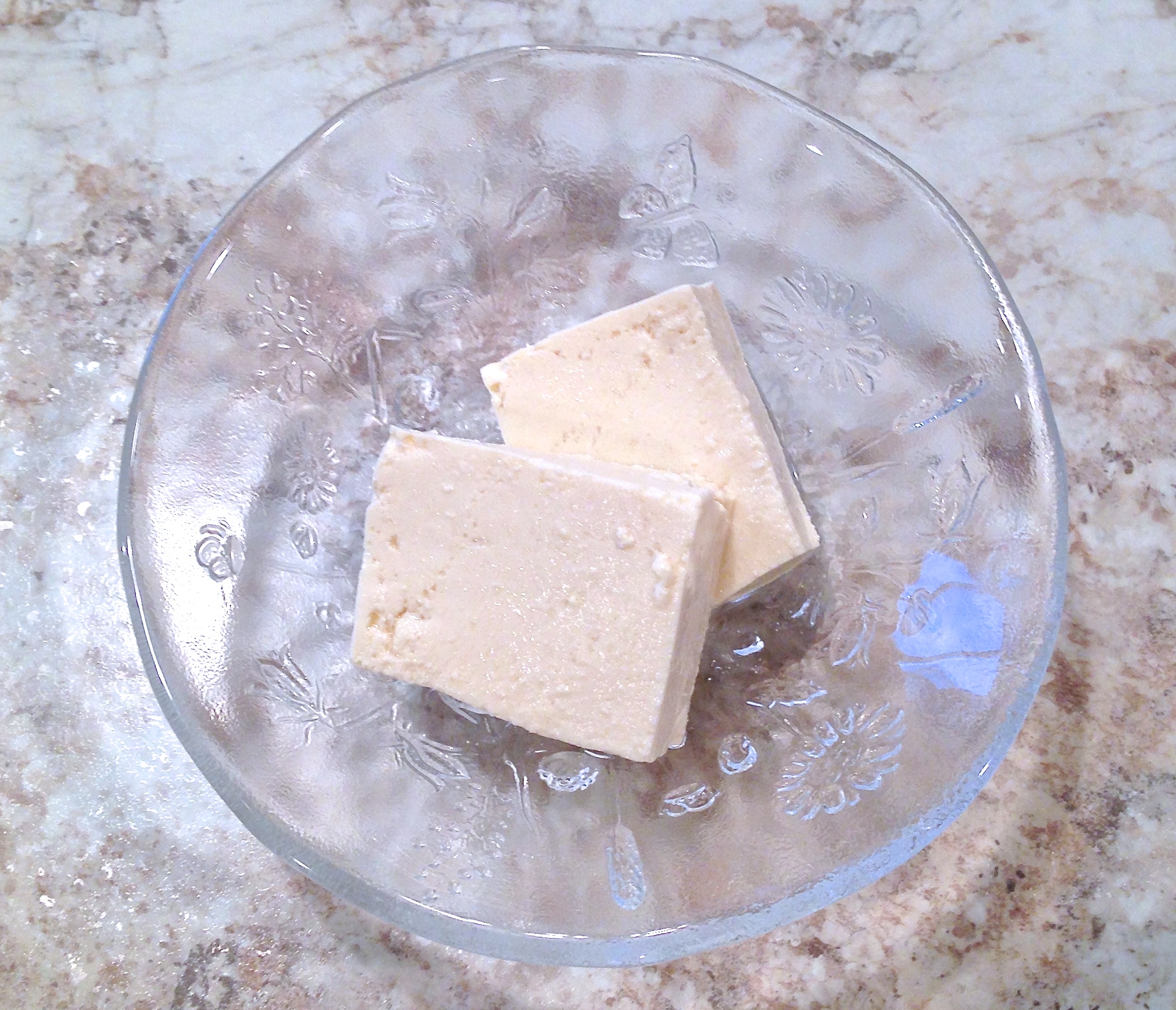
Cut washed tofu into small size and transfer to a plate.

IMG_7177

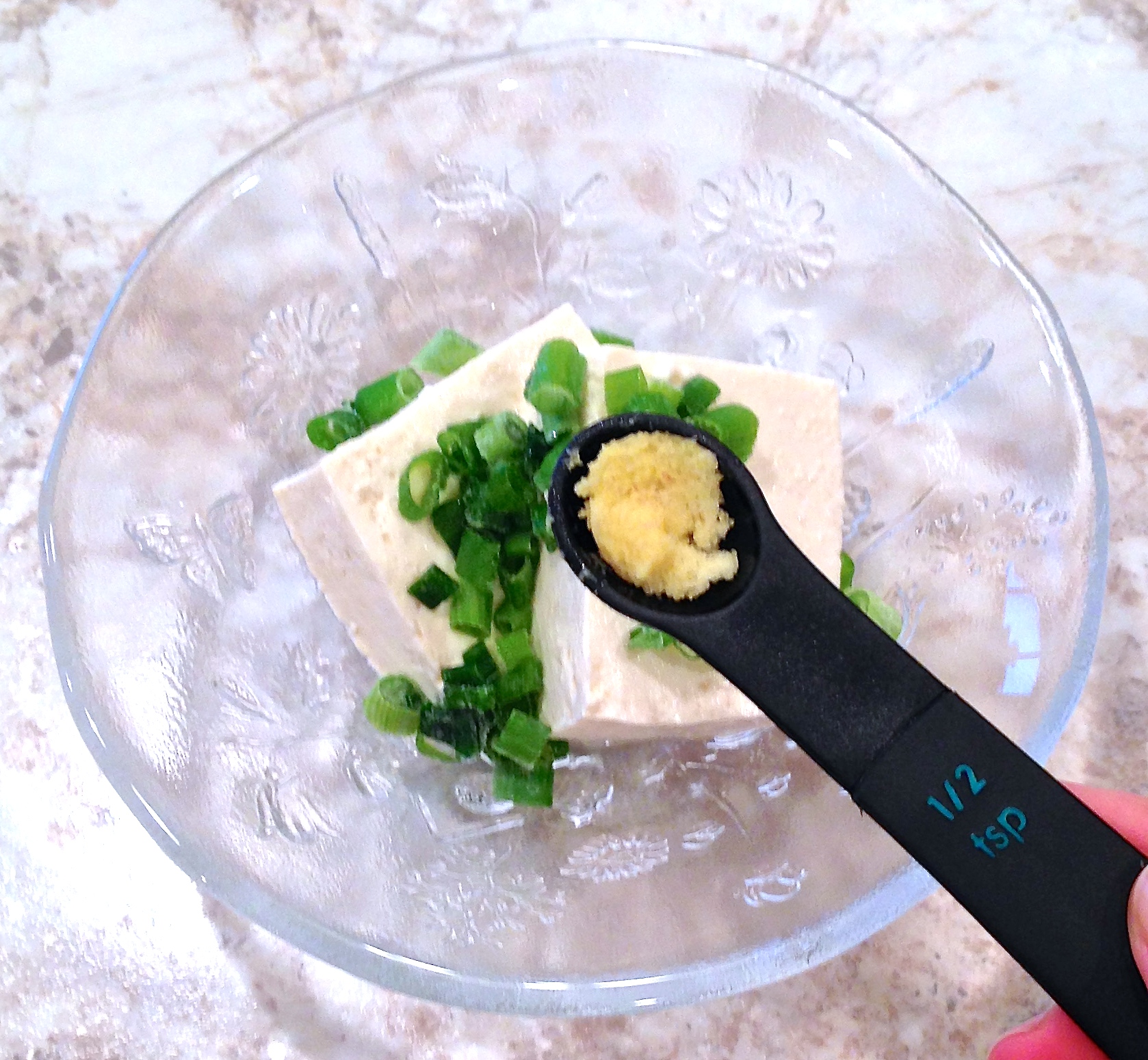
Add green onion and ginger on the tofu.

IMG_7178IMG_7179

Drizzle with soy sauce.

IMG_7182


1 Comment

Cheesy Chicken Roll

Everybody will like this dish! Fried chicken and cheese. To make this dish healthy I use spinach and chicken tenderloin. You can use any kind of cheese you want. Japanese sometimes cook this recipe with chicken breast or sliced pork. I choose chicken tenderloin because it’s healthy and cooks quickly.

Also, you can put anything into this recipe as long as the chicken is prepared properly. For example, basil leaf, potato, carrot, green beans and so on. When you prefer not to eat fried food, see the post “Simple Chicken Roll” recipe.

https://japanese-food.org/2015/04/20/your-new-chicken-recipe-simple-chicken-roll/


{Ingredients (servings 2)}

7 pieces Chicken Tenderloin

About 14 Spinach Leaves

Some Shredded Cheese (any kind)

½ cup Flour

2 beaten Eggs

1 cup Panko Bread Crumbs Japanese Style

Some Salt

Some Black Pepper


Here is my recipe in PDF (6 MB): Cheesy Chicken Roll