Your Home for Homemade Japanese Food

How to cook "with visual instructions" "using familiar ingredients from your local grocery stores" healthy, traditional and delicious Japanese dishes!!


1 Comment

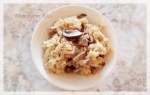
Mushroom Rice (Vegan/Vegetarian/Gluten-Free)

This is not fried rice, but steamed seasoned rice. In Japan a major part of the diet is RICE. Traditionally we eat white rice with every meal. A long time ago Japanese people ate millet.

あわ・きび・ひえ-16-コピー_R-270x300

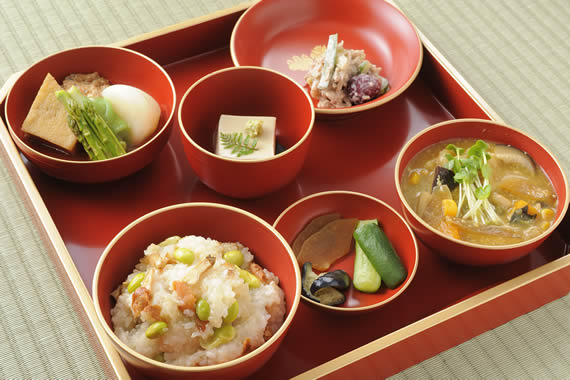
Today, we sometimes mix the rice with other ingredients to make Mushroom Rice, Bamboo Shoot Rice, Chestnut Rice, Greenbean Rice and so on. These are all steamed. If you have a rice cooker, it is very easy to cook!

shiitake

Mushroom is low calorie (about 18 kcal per 100 grams). Also high in fiber and high in minerals (especially potassium). I didn’t used dried mushrooms this time, but dried mushrooms are usually high in vitamin D. This dish is cooked in one pot or in a rice cooker so it preserves the nutritions and amazing flavor.

Please enjoy!


{Ingredients (Servings 3)}

2 ¼ cups Premium Rice, Medium Grain

3 oz. Oyster Mushroom

8 oz. Sliced Baby Bella Mushroom

3 pieces of Dried Kelp (5 square inches each)

700 ml Water

5 Tbsp. Soy Sauce REDUCED SODIUM [Gluten Free] (Organic)

2 Tbsp. Cooking Sake

2 Tbsp. Mirin Sweet Cooking Rice Wine

½ tsp. Salt


Here is my recipe in PDF (8MB): Mushroom Rice

1 Comment

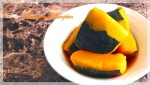
Sweet-Savory Japanese-Style Pumpkin (Vegan/Vegetarian/Gluten-Free)

In the Japanese diet, simmered vegetable dishes are very important to fulfill the terms of the Japanese basic meals rule, which is called “Ichi-juu, San-sai.” This basic meals rule means basic meals should consist of one bowl of cooked rice, one kind of soup and three vegetable or fish side dishes.

photo2_large

Also simmered vegetable dishes are very common in Mahayana Buddhist cuisine for Buddhist monks. These dishes are an important nutritional source for the monks who are forbidden from eating meat and fish.

kabotya

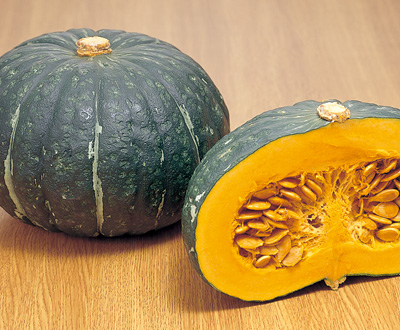
In the Japanese dish, C. maxima pumpkin is a common ingredient. It is high in vitamins, potassium, fiber and beta-carotene. The taste is very sweet. We also use this pumpkin for sweets. Interestingly the pumpkin is lower in calories and carbohydrates than bananas!

This recipe is incredibly easy. You can put water, Japanese common seasonings and the pumpkin in a pan at the same time and just simmer. We don’t use Dashi stock because the pumpkin has great flavor itself.

I hope you can add this dish to your dinner.


{Ingredients (servings 2)}

½ Pumpkin

2 cups Water

2 Tbsp. Sugar

3 Tbsp. Soy Sauce REDUCED SODIUM [Gluten Free] (Organic)

2 Tbsp. Cooking Sake

2 Tbsp. Mirin Sweet Cooking Rice Wine


Here is my recipe in PDF: Sweet-Savory Japanese-Style Pumpkin


2 Comments

Now this is what I call a traditional Japanese homemade dish! (Gluten-Free)

Nikujaga (Japanese style Beef-Potato Stew) is a Japanese simmered dish with a sweet-salty seasoning. It is very popular and everybody likes it.

This dish is one of the “Homemade taste” dishes, and in old Japanese traditions women who can cook this kind of simmered dish were considered full-fledged wives.

beef-stew-finished-1-of-3

Interestingly, in 1878, a person who had beef stew when visiting England explained to a Japanese chef how the beef stew tasted, and the chef cooked it using his imagination. Eventually that’s where Nikujaga came from. That’s why the ingredients are similar to beef stew.

This is Dashi Dried Kelp I used for Kelp Dashi Stock.
IMG_0242

In Japanese simmered dishes, Dashi stock is the most important thing to add Umami to the dish. I used Kelp Dashi stock this time because I wanted to bring out the flavor of the ingredients. Please see the post on Kelp Dashi stock as a reference.


{Ingredients (servings 2)}
*Click BLUE TEXT to link to the product on Amazon*

½ lb. Beef (sliced meet)

1 Potato

1 Carrot

1 Onion

1 ½ cups Kelp Dashi stock
(Recommended Dried Kelp for Dashi stock) Dashi Dried Kelp

2 Tbsp. Cooking Sake

3 Tbsp. Soy Sauce REDUCED SODIUM [Gluten Free] (Organic)

2 Tbsp. Mirin Sweet Cooking Rice Wine

1 tsp. Sugar

Chopped Green Onion to taste


Here is my recipe in PDF: Beef-Potato Stew

Here is “Kelp Dashi stock” recipe in PDF: Kelp Dashi stock


Leave a comment

Japanese Savory Pancake

img4

Okonomi-yaki (Japanese-style savory pizza pancake) is a traditional, well loved, representative cuisine from the west part of Japan (Kansai region). The recipe is very simple. It includes a baking mixture of flour, water, vegetables, shellfish, meat and so on.

http___coneta.jp_wp-content_uploads_2011_12_IMG_7039

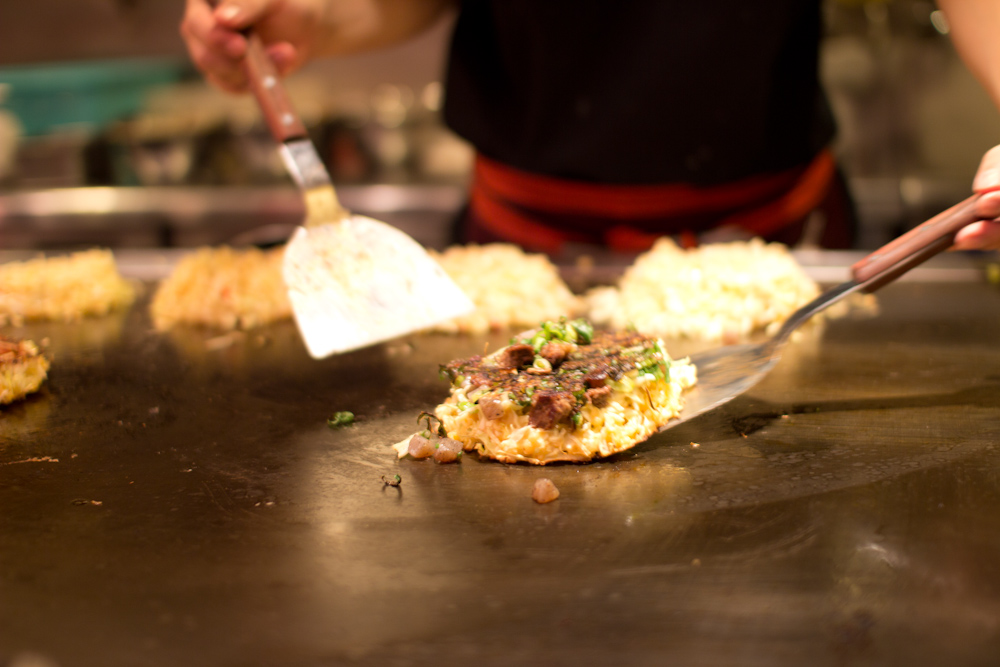
In Japan there are many festival days in summer and many food stalls sell Okonomi-yaki (and usually have long lines because it is so delicious). These stalls cook it on a big cast-iron pan.

This dish is very delicious and easy to cook. It also has a lot of nutrition in one plate, so it was my family’s regular dinner on Sunday, and my father used to cook (this means very easy to cook because my father couldn’t cook anything else)

iwasikosara

My mother always added ground dried anchovy to the mixture to add an anchovy Dashi stock flavor and fabulous nutrition such as calcium and DHA. You can put ground dried anchovy in most dishes to make the dish healthier. It works for omelets, soups, salad dressings, casseroles, pasta, and so on. Dried anchovy adds a slightly salty taste, so it doesn’t bother your dish’s balance. It is easy to grind dried anchovy with food processor (and we can get it at most Asian markets in the US).

img2bbf6331zikczj

In my recipe, I use “Japanese Sweet Ginger Beef” in the Okonomi-yaki dish. This makes the dish taste great and flavorful. Please see the “Japanese Sweet Ginger Beef” recipe to learn how to prepare the beef.


{Ingredients (2 servings)}

1 ⅓ cups Water

1 ½ cups Flour

½ Cabbage

¼ cup Anchovy Dried Iwashi Fish

4 Eggs

4 Tbsp. “Japanese Sweet Ginger Beef


Here is my recipe in PDF: Japanese Savory Pancake

Here is “Japanese Sweet Ginger Beef” recipe in PDF: Japanese Sweet Ginger Beef


2 Comments

Healthy Japanese Sweet Ginger Beef (Gluten-Free)

Japanese Sweet Ginger Beef is popular around my hometown area, the Kansai region, which is in the west part of Japan. It is also popular in the Kyushu region.

The seasonings are soy sauce and sugar, and I also use ginger to get rid of the beef smell and to make the dish flavorful so it is salty-sweet. It is a typical traditional, but incredible tasty, Japanese dish like Teriyaki!!

position

We use fibrous beef meat for the dish which is called beef shank in English (Number 12 in the picture). Shank meat is high in good protein, vitamin B12, and vitamin K. it is also low in fat and cholesterol. The meat is hard by itself, but when it is simmered slowly, it becomes very tender and flavorful, and it makes great beef broth too!

This dish takes a little bit of time to prepare, but it is easy and simple. You can use this sweet ginger beef as an ingredient in salad, pizza, hamburger, and so on.

Enjoy this healthy beef dish!


{Ingredients (2 servings)}

½ lb. Beef Shank

8 slices Ginger (total)

¼ cup Soy Sauce REDUCED SODIUM [Gluten Free] (Organic)

¼ cup Cooking Sake

4 cups plus separate cup water

1 Tbsp. Sugar

2 Tbsp. Mirin Sweet Cooking Rice Wine


Here is my recipe in PDF: Japanese Sweet Ginger Beef


Leave a comment

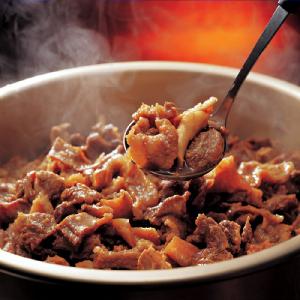
Sukiyaki (Gluten-Free)

Sukiyaki is a Japanese dish popular with foreigners. There is a famous song that can be heard all over the world named “SUKIYAKI,” which is a cover of a Japanese song (actually, the song name is different in Japan). The ingredients for Sukiyaki are beef, tofu, Napa cabbage, green onion and so on. The soup is salty-sweet. It is definitely delicious.

61a0d655ec8b82b82f664f663c9d1d70

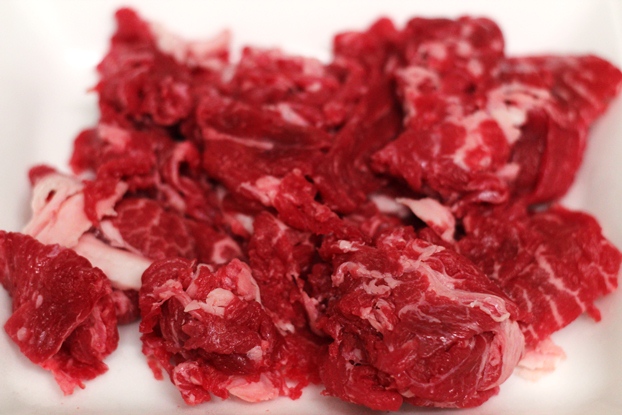
When beef prices were high after WW Ⅱ in Japan, Sukiyaki was also treated as a high-grade dish. Nowadays that is how Sushi is viewed. Usually we use thinly sliced beef which can be chuck, rib, rump or round roast. If you can’t find thinly sliced beef in a grocery store, please buy a tender cut and slice by yourself because you can get great beef flavor and texture with Sukiyaki soup.

1

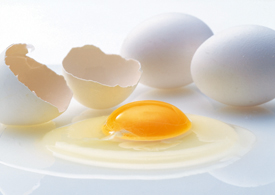
In Japan, traditionally Sukiyaki is served with raw egg. The egg makes the Sukiyaki taste mild and adds a great texture. This, however, is up to each person’s taste. I like eating Sukiyaki itself without the egg, but my husband enjoys it with the egg.

Enjoy this popular and delicious Sukiyaki dish!!


{Ingredients (2 servings)}

½ lb. Beef (sliced meat)

⅓ Napa Cabbage (7~10 leaves)

½ blocks (7 oz.) firm Tofu

8 scallions

¾ cup Soy Sauce REDUCED SODIUM [Gluten Free] (Organic)

½ cup Sugar

½ cup Cooking Sake


Here is my recipe in PDF: Sukiyaki


Leave a comment

Savory Egg Custard (Gluten-Free)

Chawan-mushi (Savory egg custard) is a dish in which eggs, various ingredients and Dashi stock are steamed together. It has a very smooth texture, great flavor and wonderful nutrition because the ingredients are steam cooked in the egg custard/Dashi stock mixture in a closed steamer so the taste, flavor and nutrition are condensed in the dish.

cuisinart-steamer-chefs-classic-2-77-35cg-popup

Recently, people have started using the microwave for cooking Chawan-mushi because it is quick and easy, but I think the taste and texture are very different so I use a steamer. It takes a little bit more time but it is the best!

I used shiitake mushroom and chicken breast in this recipe. It is high in vitamins, has great protein, and also is low in calories.

Chawan-mushi has a delicate flavor and amazing texture. It is very delicious! Please cook it and taste it!


{Ingredients (Serves 2)}

3 Eggs

4 oz. Chicken Breast

2 pieces Dried Shiitake Mushrooms

2 ½ cups Water (leftover from soaking shiitake mushrooms)

2 tsp. Mirin Sweet Cooking Rice Wine

4 tsp. Soy Sauce REDUCED SODIUM [Gluten Free] (Organic)

¾ tsp. Salt

2 tsp. Cooking Sake


Here is my recipe in PDF: Chawan-mushi


Leave a comment

Teriyaki Chicken (Gluten-Free)

Teriyaki chicken is one of the most famous Japanese foods.

The recipe is very easy to prepare and does not take a lot of time! Of course, it is very delicious!

Also, you can use the recipe to make fish teriyaki or Tofu teriyaki. So once you see this recipe, you can make any kind of teriyaki!

The seasonings used are soy sauce, sugar, Mirin (sweet cooking rice wine) and cooking Sake. We use these 4 seasonings a lot in Japanese cooking. You can get soy sauce and sugar at most grocery stores in the US. You can get Mirin and cooking Sake at many grocery stores or at any Asian market. You can use inexpensive Japanese Sake instead of cooking Sake if you are unable to find cooking sake. Mirin is a sweet cooking rice wine that adds Umami and a nice sweet taste to dishes.

Enjoy your Teriyaki!!


{Ingredients (Serves 2)}
*Click BLUE TEXT to link to the product on Amazon*

1 lb. Chicken Breast or Thigh

2 tablespoons plus 1 separate tablespoon Cooking Sake

2 tablespoons Soy Sauce REDUCED SODIUM [Gluten Free] (Organic)

2 tablespoons Mirin Sweet Cooking Rice Wine

1 teaspoon Sugar

2 tablespoons Vegetable Oil

½ tablespoon Baking Soda

1 teaspoon salt

½ cup water


Here is my recipe in PDF: Teriyaki


2 Comments

Chicken Karaage

Chicken Karaage is Japanese style fried chicken. Karaage is made in a very thin batter so it is very juicy, tender and flavorful. The chicken is also marinated in a  tasty sauce that is made of soy sauce, garlic and ginger. I am sure once you have a bite, you will not be able to stop eating because it is so delicious!

There are many kinds of Karaage, such as chicken, chicken gristle, shrimp, calamari, octopus, fish, fish bone and so on.

I used chicken breast to make the dish healthier. You can use chicken thigh instead if you prefer. I will also show you how to make the chicken breast more juicy with baking soda and salt in this recipe.

This is a very simple recipe but has great taste, texture and flavor.

Please enjoy it!


{Ingredients (Serves 2)}
*Click BLUE TEXT to link to the product on Amazon*

1 lb. Chicken Breast or Thigh

1 teaspoon grated Garlic

1 teaspoon grated Ginger

2 tablespoons Soy Sauce

1 tablespoons Cooking Sake

¼ cup Flour

2 ½ cups Vegetable Oil


Here is my recipe in PDF: Karaage


3 Comments

Simmered Taro and Chicken (Gluten-Free)

Simmered food is a traditional delicious Japanese dish. There are many kinds of vegetable or fish simmered dishes, such as root vegetables, eggplant, lettuce, flounder, anchovy and so on. My mother carefully taught me how to cook simmered dishes because traditionally these dishes are called “Homemade taste,” and in old Japanese traditions women who can cook simmered dishes were considered full-fledged wives, so my mother thought I might want to cook these dishes well for my husband. Of course, we live in a different era today and my husband and I often cook together so we have the great culinary tradition without the sexist overtones.

Basically, the ingredients are root vegetables so the dish includes a lot of fiber which is good for helping digestion. I also used chicken breast which it is low in fat and high in great protein.

141030_ooshima012_480_360

Taro is an important ingredient in homemade taste Japanese dishes. You can get it easily at most grocery stores in the US. Taro is high in potassium and water. Taro also is lower in calories than other kind of potato. When you chew taro, it can feel slightly gooey. This feeling comes from mucin, which is also in our saliva and stomach juice, and it helps the stomach function better.

Enjoy this traditional, nutritious and delicious dish!!

{Ingredients (Serves 2)}
*Click BLUE TEXT to link to the product on Amazon*

0.5 lb. Chicken Breast or Thigh

1 peeled Carrot

1 peeled Onion

4 Dried Shiitake Mushrooms

1 cup Water (leftover from soaking Shiitake)

3 Taros

5 tablespoons Soy Sauce REDUCED SODIUM [Gluten Free] (Organic)

5 tablespoons Cooking Sake

4 tablespoons Mirin Sweet Cooking Rice Wine

Here is my recipe in PDF: Simmered Taro and Chicken