How to cook "with visual instructions" "using familiar ingredients from your local grocery stores" healthy, traditional and delicious Japanese dishes!!
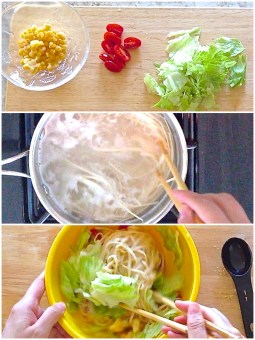
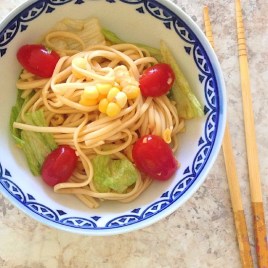
Today I introduce you to “Udon Noodle Salad”. This is similar to “Pasta Salad”. In this recipe I used soy sauce, rice vinegar, sesame oil and grated ginger for the dressing so the taste is different from general Pasta Salad.
It is great for a quick lunch because the recipe is very quick and easy. Of course it is also delicious and healthy. You can use any vegetables that are in your refrigerator.
Here is a tip for storing ginger.
Peel the skin and wrap it with kitchen paper and then with aluminum foil. Keep it in the freezer and use within 1 month. You can grate the frozen ginger (you don’t need to defrost).
The recipe is easy.
Cut vegetables and mix with boiled Udon noodle and the dressing.
{Ingredients (1 serving)} *Click BLUE TEXT to link to the product on Amazon*
Today I introduce you to Japanese traditional side dish which is called “U no Hana”. This is cooked Okara with braised vegetables. Okara is a by-product of making tofu so it is high in protein, fiber, vitamins and Calcium. This dish is a very popular side dish in my family’s meal because it is healthy, delicious and inexpensive (in Japan).
Japanese use Okara for many recipes as a meat substitute to make the dish extremely healthy and to increase the amount of food in the dish. For example, we add Okara or we substitute it for the meat when we mix meat balls, hamburger steak,…etc. See the last post Delicious Vegetarian Pan Fried Nuggets using Okara substitution for meat.
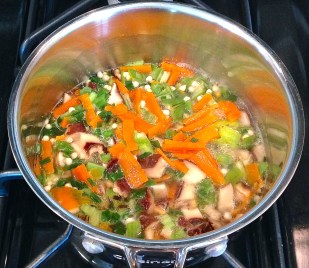
In this recipe I used okra, carrot, shiitake mushroom and green onion. You can use any vegetables in your refrigerator. If you can get dried shiitake mushroom instead of fresh ones, the dish will be more flavorful and nutritious. You can just soak shiitake mushrooms in water the day before you cook.
This time I used kelp Dashi stock so for those who stick to a vegan diet this is a vegan dish. You can use any kind of Dashi stock you have.
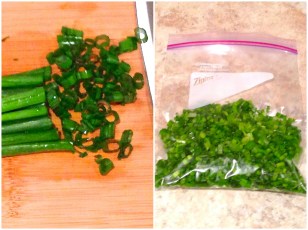
Here is a tip: “How to store cut green onion.” We often use cut green onion in many Japanese dishes. I always keep cut green onion in my freezer.
Cut washed green onions and dry on paper towels. Put in a freezer bag and freeze in freezer. Use within 1 month.
Simmer all vegetables with Dashi stock and seasonings.
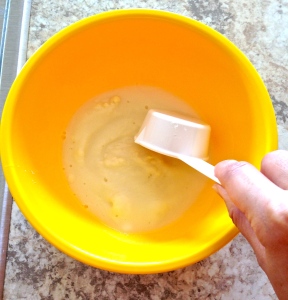
Cook soaked Okara and stir with braised vegetables.
{Ingredients (servings 2)} *Click BLUE TEXT to link to the product on Amazon*
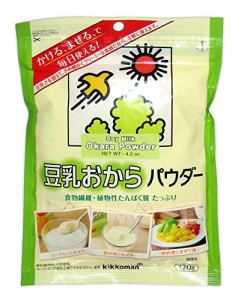
Today I introduce you to “Delicious Vegetarian Pan Fried Nuggets” made from soybean powder. In Japan, we call the soybean powder “Dried Okara” and use it for many recipes as a meat substitution, to make the dish extremely healthy and to increase the amount of food in the dish. For example, We add Okara or we substitute it for the meat when we mix meat balls, hamburger steak,…etc. Of course we use Okara by itself in some recipes too.
Okara is made while making tofu so it is high in protein, fiber, vitamins and Calcium. In Japan there is fresh Okara but it lasts only a few days so recently we have tended to use Dried Okara. When you use Okara for cooking, mix it with water. It is going to have a hard mashed potato texture, and it has no smell and no taste. That is why using Okara doesn’t change the taste of dishes and why we use it a lot.
In this recipe, I use only 3 main ingredients, Okara, Tofu and grated cheese. If you like to add meat, you can just add it to this recipe or you can use your favorite ground meat instead of tofu. If you don’t like tofu aroma very much, you can add some lemon juice. This makes the dish have less of a tofu aroma.
The recipe is very easy.
Soak Okara into water.
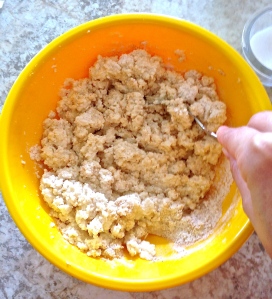
Mix every ingredient.
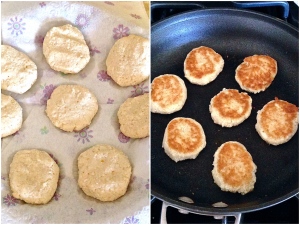
Make into a nugget shape and cook in a pan.
{Ingredients (15 pieces)} *Click BLUE TEXT to link to the product on Amazon*
Today I introduce you to my “Cold Tofu with Okra” recipe. In summer it is very humid in Japan, which makes us tired and lowers our appetite. Therefore, the Japanese traditional summer diet tends to include light foods which have great taste and nutrition, like in this recipe. I hope you add this recipe as a side dish in your meal.
The recipe is very easy and quick.
Cut boiled okra and put on drained tofu. Drizzle with soy sauce to taste.
Tofu contains a lot of water so we drain tofu before cooking to keep the tofu shape and to keep the dish from becoming too watery. If you don’t like tofu aroma very much, I strongly recommend you drain the tofu because it makes the dish have less of a tofu aroma.
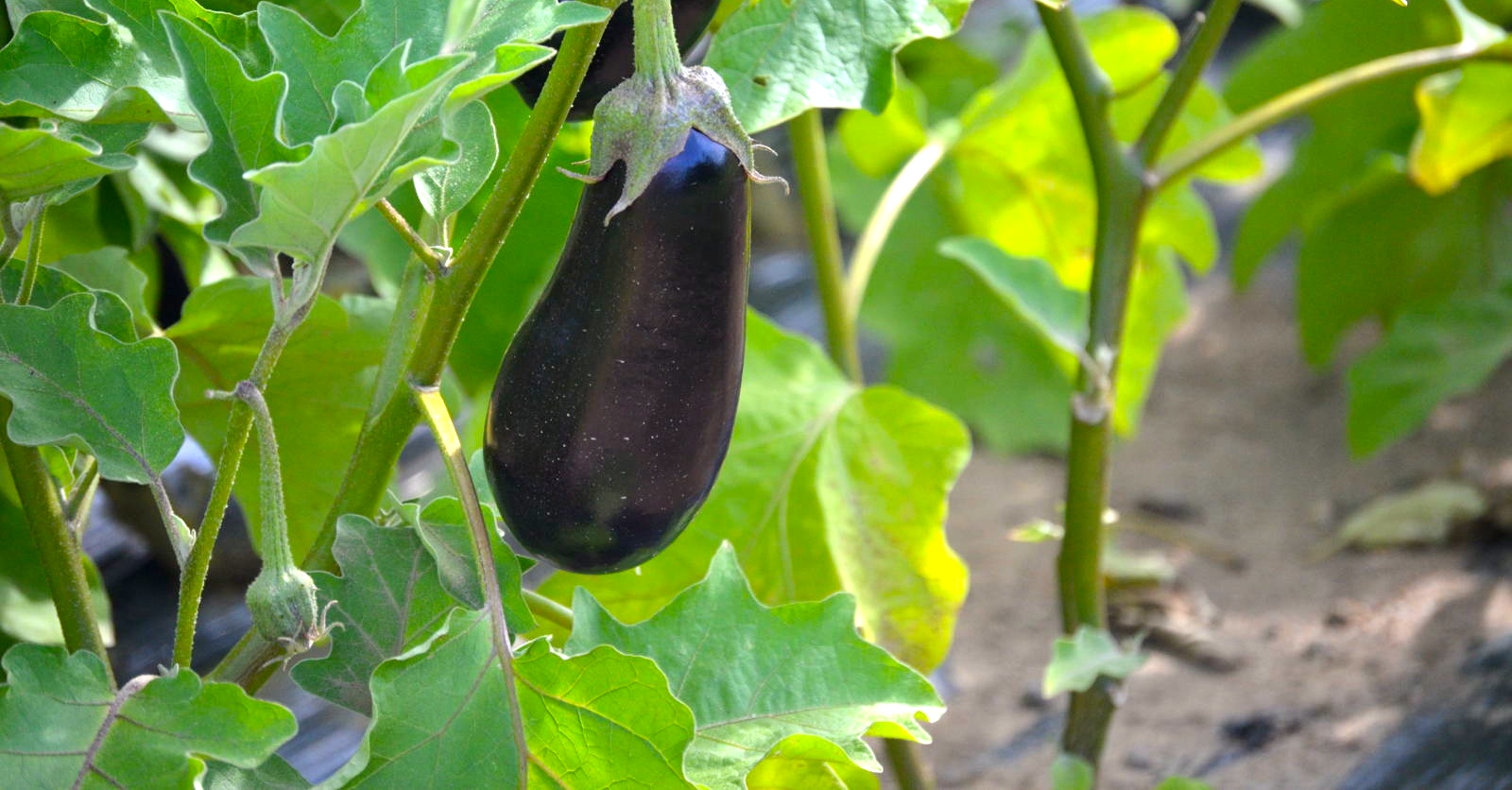
In Japan, we often eat eggplant pickles. This recipe is not exactly the traditional pickle but it is a homemade quick and delicious eggplant side dish!
As you know, eggplant is a summer vegetable. When we eat eggplant dishes, they make our body cool down so this recipe is great for hot and humid summer days. And this dish includes ginger and sesame seed so it is very nutritious.
Japanese eggplant has thiner skin than American eggplant so I never peeled it, but in the U.S. I peel some parts of the skin and leave other parts. I keep some of the skin because it has polyphenol and is good for our health.
The recipe is so easy.
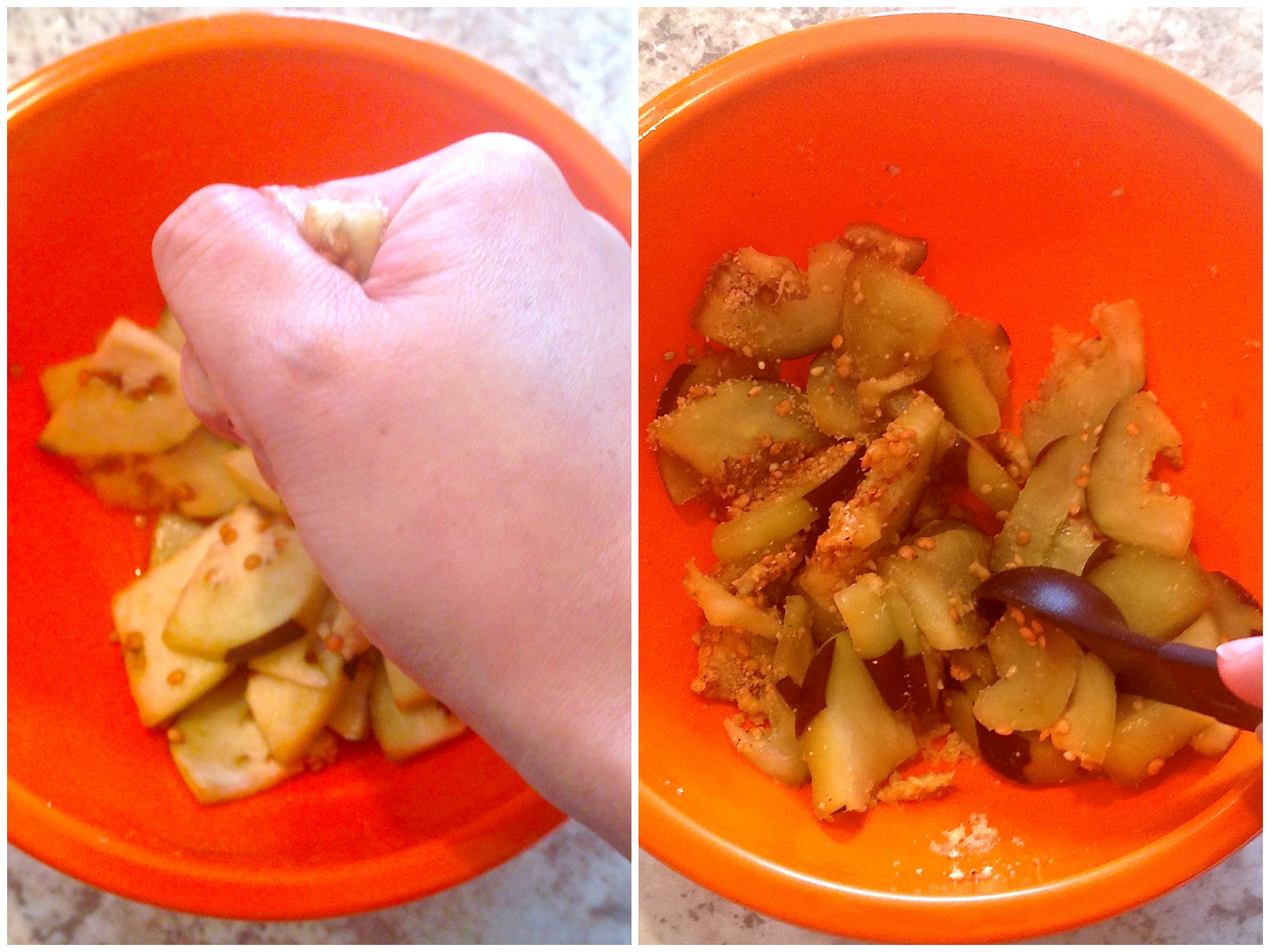
Slice eggplant, knead with salt and let it sit for 20 minutes.
Wash the eggplant and season with grated ginger, soy sauce and white sesame seed.
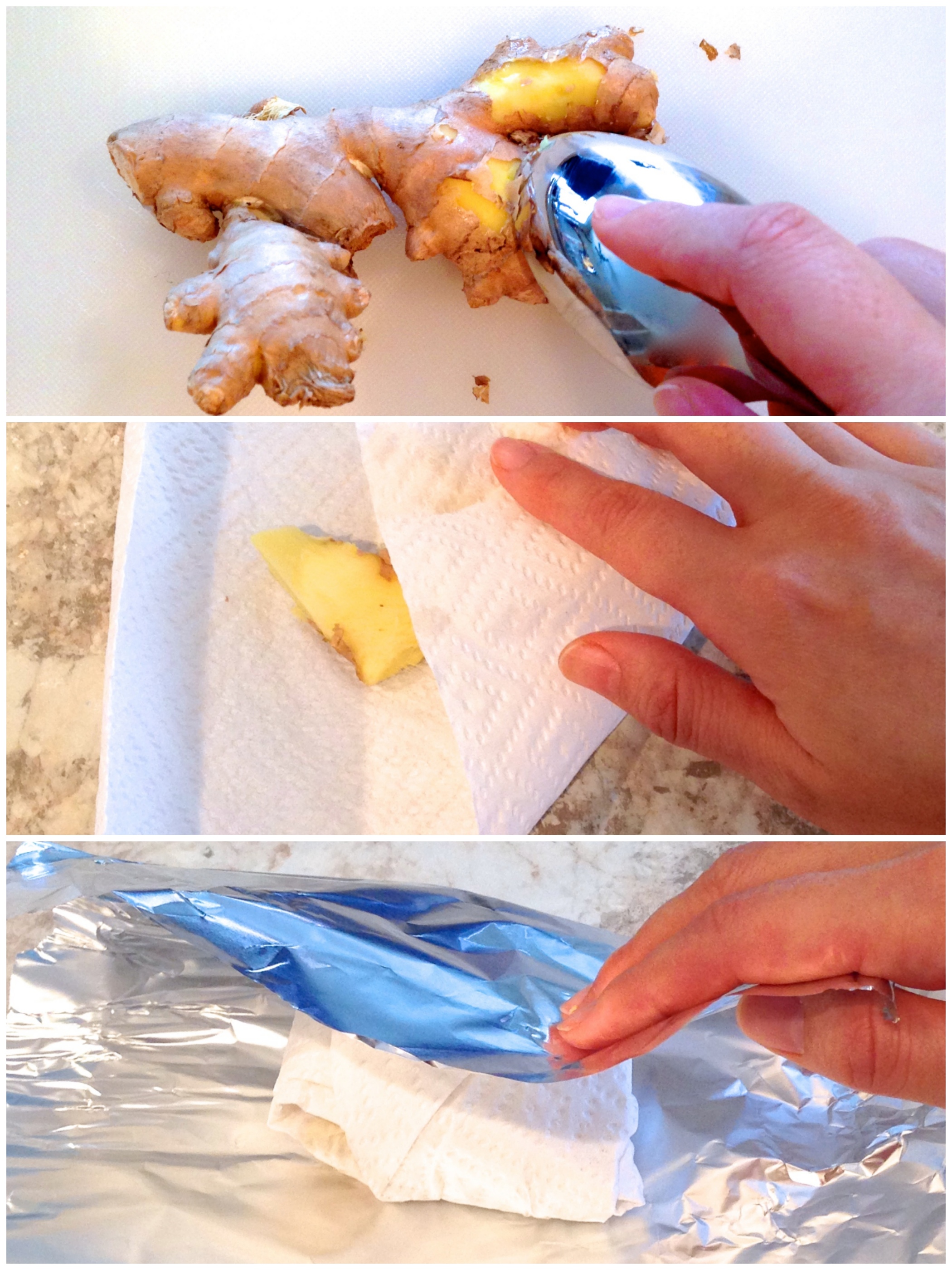
Here is a tip for storing ginger.
Peel the skin, wrap with kitchen paper and wrap it with aluminum foil. Keep it in the freezer and use within 1 month. You can grate the frozen ginger (you don’t need to defrost).
Today I introduce you to “Mashed Taro Cakes” which is my mother’s original recipe. She cooked it with leftover “Braised Taro” which I taught you how to make in my previous post on April 14. When I was child, I loved these “Mashed Taro Cakes” more than “Braised Taro”. These two recipes have the same taste but they have a different texture.
I used the same sauce as I did with the “Braised Taro” recipe, which tastes salty-sweet. You use the sauce to finish the cakes, but you can eat them without the sauce. In fact, you can simply use salt and pepper because the taro has already absorbed the delicious sauce. Also, I coated the mashed taro patties in corn starch so the outside of the cakes are crunchy and the inside are smooth. It is very delicious!! I am sure many kids will like this dish.
Taro is high in potassium and water. Taro also is lower in calories than other kinds of potato. When you chew taro, it can feel slightly gooey. This feeling comes from mucin, which is also in our saliva and stomach juice, and it helps the stomach function better.
Today I introduce you to Japanese traditional dish “Braised Taro”. It is a very easy, simple and delicious side dish. My mother always cooked 5 small dishes for each member of our family for every dinner. The 5 dishes idea comes from “Ichijiru-Sansai” which means basic meals should consist of one bowl of cooked rice, one kind of soup and three vegetable or fish side dishes. This dish is great as a side dish in a Japanese meal. In addition, we say “Hara-Hachibu” which means eat until you feel your 80% full, don’t eat until you are too full. This is a Japanese traditional eating rule for being healthy so my mother always prepared small dishes for each of us.
The recipe is easy. Just simmer taros in Dashi stock. I used “Kelp Dashi Stock,” but you can use any kind of stock. The dish is mainly seasoned with soy sauce and the taros become so tender that they absorb the Dashi well so it is very delicious and it is great for vegetarians if you use vegetable stock. Also, it is an oil-free dish so it is very healthy.
When I introduce you cooking Japanese dishes I always try to show you the easiest way to cook these dishes even if you have no experience with cooking Japanese food. For example, in this recipe, I simmered peeled taros in Dashi stock. But usually taro requires extra preparation time for to simmer more easily and make a great final presentation. But in this recipe there is no need to do the extra preparation because even without it this dish is very delicious and looks great. I want everybody to try to cook Japanese dishes in a lighthearted and fun manner so we do not need to make these recipes hard in order to enjoy all the taste, health benefits, and beauty of traditional Japanese dishes.
You can buy taros in many grocery stores in the US and in all Asian markets. The tip for picking a good taro is that the taro should have ball shape, and be a little bigger than a golf ball. This shape and size makes for a good and delicious taro.
Enjoy this delicious, healthy, and nutritious dish. I hope you like it.
Today I introduce you to my mother’s “Homemade Pot-au-feu” recipe. In Japan, we often cook “Pot-au-feu” because it is very easy and fuss-free. Just cut your favorite vegetables and meat, and simmer in broth. The point is to cut ingredients in large sizes. The dish is simmered for about 40 minutes total so the ingredients are very tender and can be eaten easily. In addition, the soup contains the ingredients’ juices, which means the dish is very nutritious. The only seasonings are salt and pepper so you can enjoy the delicious natural taste of the ingredients.
I used cabbage, onion, potato, carrot, turkey sausage and Daikon radish. You can use any kind of vegetables and meats. We usually cook this dish in colder seasons so I recommend that you use root vegetables because they are usually in season when it is cold. Eating seasonal food makes us healthy because our body can adjust to the weather for each seasons.
{Ingredients (servings 2)}
¼ Cabbage
4 Sausages
1 Potato
1 Onion
2 Carrots
1 Daikon (Japanese White Radish)
4 Chicken Bouillon Cubes
6 cups Water
¼ tsp. Salt
¼ tsp. Pepper
Enjoy very delicious and nutritious homemade Pot-au-feu!
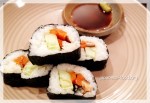
In Japan, many restaurants serve great delicious Sushi, but my mother also often cooked Sushi Rolls, Inari Sushi and Chirashi Sushi by herself. We can change the ingredients and the seasonings as we like so I love homemade Sushi.
In this recipe, I used carrot, Shiitake mushroom and cucumber as the filling. And when I cook the carrot and mushrooms, I used kelp Dashi stock. So this is a meatless and eggless dish.
Of course you can use any kind of ingredients such as shrimp, chicken, beef, ham, cheese, fried egg, canned Tuna, spinach and so on.
In addition, you can make an adjustment for the seasoning of Sushi rice. If you don’t like the taste of vinegary sushi rice, you can reduce the rice vinegar. If you want more seasoning, you can add more sugar and salt.
The recipe is not complicated. It is easy, great to cook with kids, and is a wonderful dish for a potluck party!!
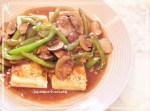
This is my mother’s original recipe for cooked tofu with a thick tender vegetable sauce seasoned with soy sauce. It is a simple and delicious main dish.
Tofu was brought to Japan from China about 800 years ago. Since then, tofu is one of the main sources of protein in the Japanese diet. Tofu is very nutritious and it is well-absorbed by the body.
You can use any vegetables you want for this sauce. You can also use any kind of Dashi stock so it is a good dish for vegetarians too.
I hope this recipe will be one of your favorite tofu-dish recipes!
{Ingredients (servings 2)}
7 oz. (half pack) Firm Tofu
½ Green Bell Pepper
4 Baby Bella Mushrooms
1 clove Garlic
½ cup Kelp Dashi Stock
(Recommended Dried Kelp for Dashi) Dried Kelp
*You can use any kind of Dashi stock: (Recommended Instant Dashi Stock) Ajinomoto – Hon Dashi




 I used in this recipe.













 Your Home for Homemade Japanese Food