Your Home for Homemade Japanese Food

How to cook "with visual instructions" "using familiar ingredients from your local grocery stores" healthy, traditional and delicious Japanese dishes!!


2 Comments

Non-Spicy “Mapo-Tofu”(Gluten-Free)

Mapo-Tofu is a popular Chinese dish. This recipe is totally my mother’s creation based on Mapo-Tofu. My mother came up with this recipe because the original dish is so spicy and I couldn’t handle it. This dish is very healthy because it has great protein, which comes from a combination of meat and tofu, so we always had this Non-Spicy Mapo-Tofu in our house.

The recipe is so easy to cook. It basically involves cooking ground chicken and tofu in chicken broth and then seasoning it in the same pan.

You can also use any kind of ground meat and any kind of broth in this recipe.

I recommend you enjoy tasting everything on the plate, the meat, the tofu, and the soup flavor! Because of the finished presentation you may think of it is a soup dish, but we eat it as a main dish with steamed rice.

Enjoy your new healthy and yummy dish!!


{Ingredients (servings 2)}

7 oz. (half pack) firm Tofu

½ lb. ground Chicken

1 tsp. minced Garlic (about 1 clove)

1 tsp. minced Ginger

2 Tbsp. Vegetable Oil

1 cup low-sodium Chicken Broth
(Recommended Gluten-Free Chicken Broth)Reduced Sodium Chicken Flavor Broth

2 Tbsp. Soy Sauce
(Recommended Gluten-Free Soy Sauce)Soy Sauce REDUCED SODIUM [Gluten Free] (Organic)

1 Tbsp. Cooking Sake

1 Tbsp. Potato Starch or Corn Starch (for slurry)

2 Tbsp. water (for slurry)

1 tsp. Pure Sesame Oil


Here is my recipe in PDF (6 MB): Non-Spicy Mapo-Tofu


2 Comments

Healthy and Quick “Tuna Pasta” Recipe

Today I will introduce you to a yummy light tasting, quick and healthy pasta dish! You don’t need to cook sauce in advance for this dish. You can put boiled pasta, drained tuna, and cut lettuce in a pan at the same time, cook for a few minutes and season. You can even cook everything in one pan. Boil the pasta, drain and cook in the same pan!

I usually don’t use canned food, but I always keep some canned tuna in my pantry because its stays good for a long time, is very useful, healthy and delicious. Tuna is a great source of protein and has other great nutritional benefits, such as vitamins, minerals, DHA, EPA, Omega-3 and so on. A Japanese tuna company published a study showing that fresh tuna and canned tuna have almost the same level of nutrition. (https://www.hagoromofoods.co.jp/knowledge/faq/faq_012.html). Canned tuna comes in water or in oil. I tend to choose tuna in water because it has less calories. Tuna in water has about 1/4 less calories that tuna in oil. But in fact, tuna in oil has more nutrition than tuna in water. So if you care about calories and protein more than other vitamins or minerals, you might want to choose tuna in water.

In this recipe, I use spaghetti, but you can use any kind of pasta you want. It is so easy, healthy, and delicious so I recommend it for lunch and/or for your weekday dinner!

Here is my recipe in PDF (4 MB): Tuna Pasta


6 Comments

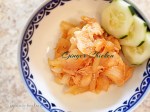
Incredibly Flavorful “Ginger Chicken”(Gluten-Free)

This is an incredibly flavorful homemade chicken dish marinated mainly with ginger and soy sauce.

As you know, ginger is extremely healthy.

It has Cineol (known generally as Eucalyptol), which is  a scent ingredient. Cineol increases our appetite and makes our body recover from fatigue. Because of this, I eat ginger a lot in the summer time.

When you cook ginger, Gingerol, which is flavor ingredient, changes chemically to Shogaol. This warms up our body and increases our metabolism. So I also eat ginger in winter time. I use ginger in my meals any time to be healthier!!

In this recipe I use chicken, but you can use pork instead of chicken if you prefer. If you use pork just make sure it is sliced thinly.

Also, you can use white wine as a substitute for cooking Sake. When you use cooking Sake, however, you get more wonderful Japanese flavor.

Enjoy your new healthy dish!!


{Ingredients (servings 2)}

2 Chicken Breast (boneless and skinless)

1 Onion

1 Tbsp. Grated Ginger

4 Tbsp. Soy Sauce
(Recommended Gluten-Free Soy Sauce)Soy Sauce REDUCED SODIUM [Gluten Free] (Organic)

2 Tbsp. Mirin Sweet Cooking Sake

4 Tbsp. Cooking Sake

1 Tbsp. Vegetable Oil


Here is my recipe in PDF (5 MB): Ginger Chicken


2 Comments

Quick, Easy and Yum!! “Microwave Chicken Roll” (Gluten-Free)

This is a delicious chicken breast and vegetables recipe. The best point to this recipe is that it is very quick and tasty!! You don’t need to heat oil up or preheat your oven. Just prepare the ingredients and microwave!

This is totally my mother’s original recipe. She was a great cook and her dishes were awesome. That doesn’t mean she always took time to cook. She was also working so she kept creating her recipes to be quicker and more delicious!!

If you have chicken meat, you don’t need to go grocery shopping to cook this recipe. I just use colorful vegetables from my refrigerator. You can choose any vegetables you want.

I recommend that you cook this recipe on week nights when you don’t have enough time to cook more time consuming dishes. And when you keep the leftovers in the refrigerator, you can eat it for your breakfast or lunch next day, which also saves your time!


{Ingredients (servings 2)}

2 pieces boneless and skinless Chicken Breast

½ Bell Pepper

½ Carrot

2 Tbsp. Cooking Sake or White Wine

Pinch of Salt and Black Pepper


Here is the my recipe in PDF (5 MB): Microwave Chicken Roll


10 Comments

Yummy Japanese “Potato Salad” (Vegetarian)

“Japanese Potato Salad” is a mix of mashed potato, mayonnaise and fresh vegetables. To make the vegetables tender and easy to eat, I knead well with salt or soak in water. This allows us to keep more nutrition in the vegetables than if we boiled them.

In Japan, potato salad is a very common homemade dish and very popular. There are many recipes which vary slightly depending on family traditions. We eat potato salad as a salad and also sometimes in sandwiches.

You can mash the potatoes however you like. If you like chunky potato, please don’t mash too much. And also you can add more potato, or reduce the mayonnaise, to taste. Enjoy!


{Ingredients (servings 3)}

2 large Potatoes

1 Carrot

1 small Cucumber

1 small Onion

6-7 Tbsp. Mayonnaise

1 Tbsp. Salt

½ tsp. Black Pepper

Water for boiling potatoes


Here is my recipe in PDF (4 MB): Potato Salad


2 Comments

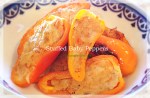
Stuffed Baby Peppers

Japanese “Sweet Pepper” is slightly different from bell pepper. It is smaller, thinner, has a little bit of bitter taste, has fewer seeds, and is always green.

This recipe is similar to other countries’ Stuffed Pepper recipes. But because Japanese sweet pepper has a thinner flesh, we can cook this recipe in a pan easily. I also sprinkle it with some soy sauce when I serve, but you can use any sauce you like.

I use Mini Peppers in this recipe. You can find these at many grocery stores.

Japanese sweet pepper is high in vitamin C and A. You might want to cook this pepper with some cooking oil because the oil helps our bodies get vitamin A more easily. This is a summer vegetable so it is good to eat during the Summer.

Enjoy!


{Ingredients (servings 2)}

1 lb. Ground Chicken

12 Mini Peppers

¼ Onion

¼ Carrot

1 tsp. Grated Ginger

¼ tsp. Salt

¼ tsp. Black Pepper

1 Tbsp. Vegetable Oil

1 Tbsp. Flour, plus more for dusting the peppers


Here is my recipe in PDF (6 MB): Stuffed Baby Pepper


2 Comments

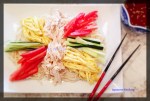
Traditional Cold Japanese Wheat Noodle Recipe

Japanese wheat noodles (So-men) are made from flour. They have a very thin and smooth texture so they are easy to eat and don’t take much time to cook (basically about 2 minutes to boil).

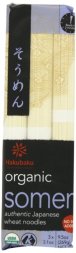
This is Organic Somen Noodles I used in this recipe.

61f-UiwBKaL._SY606_

In Japan, traditionally we eat cold So-men with cold soup in the summer. It helps our bodies cool down and it has better taste and texture on a hot summer day than rice or other Japanese noodles.

I use anchovy Dashi stock in my soup recipe. You can also use kelp Dashi, bonito Dashi, shiitake mushroom Dashi and so on. And also you can get Japanese Dashi stock powder, which has so much flavor and is very useful, at many Asian markets.

So-men is mostly carbohydrate, so we can add meat and vegetables to add protein, vitamins and minerals. Adding meat and/or vegetables creates a good balance of nutrition. In my recipe, I always have So-men with egg, tomato, cucumber and chicken. Also, I sometimes add shiitake mushroom sauté, green onion, shrimp, lettuce, seaweed, okra, carrot and so on.

Enjoy your new noodle recipe!!


{Ingredients (servings 2)}
*Click BLUE TEXT to link to the product on Amazon*

2 bunches Organic Somen Noodles

1 piece Chicken Breast

2 Tomatoes

2 Eggs

½ Cucumber

2 cups Kelp Dashi Stock
(Recommended Dried Kelp for Dashi stock) Dashi Dried Kelp
*Any kind of Dashi stock is okay*
(Recommended instant bonito Dashi powder)Ajinomoto – Hon Dashi

3 Tbsp. Soy Sauce

2 Tbsp. Cooking Sake (total)

2 Tbsp.Mirin Sweet Cooking Rice Wine

1 Tbsp. Sugar

1 ½ tsp. Salt (total)


Here is my recipe in PDF (6 MB): Cold Japanese Wheat Noodle

Here is my “Anchovy Dashi Stock” recipe in PDF: Homemade Anchovy Dashi Stock

Here is my “Kelp Dashi Stock” recipe in PDF: Kelp Dashi stock


Leave a comment

My Favorite! “Tuna Sandwich”

This is not a surprising or complicated recipe! Many of the recipes I have shown you are purely homemade Japanese cooking and may be different from what you have prepared before. Not so for the Tuna sandwich! I love Tuna sandwiches, but I sometimes wonder if it is fresh or safe to eat when I eat out. So I always cook it by myself for my lunch and use fresh ingredients in addition to the canned tuna.

Japanese often use canned Tuna in our meals because it is definitely a pantry food, it is, of course, delicious and also nutritious!! I use canned Tuna in salads, pasta, omelets, gratin, fried rice, on toast, sautéed with vegetables and so on. As you know, it is great when you are busy!!

1872

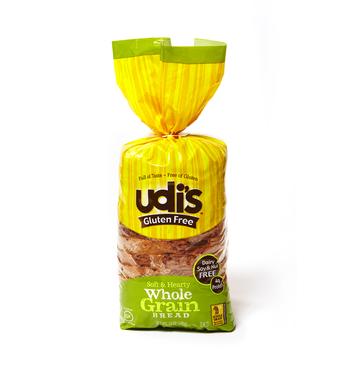
You can use any vegetables and bread you want. I use Romaine lettuce and tomato, which I think is the best combination to the tuna in a tuna sandwich. And I use Udi’s Gluten-Free bread, which tastes great!

Enjoy your fresh Tuna sandwich!!


{Ingredients (servings 2)}

A 5 oz. can of Tuna

4 leaves Romaine Lettuce

1 Tomato

1 Tbsp. Mayonnaise

4 slices Bread (any kind)

Some Margarine or Butter


Here is my recipe in PDF (4 MB): Tuna Sandwich


15 Comments

Very Popular “Rice-Omelet”(Vegetarian/Gluten-Free)

This is an original Japanese omelet style dish. We call “Om-rice” in Japanese. About a hundred years ago, a Japanese restaurant made this recipe as a meal for the restaurant’s employees to have quickly and get enough nutrition to work from one plate. Nowadays, this is one of Japanese kids’ favorite dishes because it is so delicious!!

The ingredients are rice, vegetables and egg. We always season with salt, pepper and ketchup but if you don’t like using ketchup, season with just salt and pepper which also would be great!

I use onion, carrot and fresh shiitake mushrooms as my vegetable ingredients. You can use any kind of mushrooms if you can’t find shiitake mushrooms. In Japan, shiitake mushrooms are the most common mushroom. We use fresh shiitake mushrooms, and also dried ones. I use the two kinds of shiitake mushroom quite differently because the flavors are totally different; when I want to add much more shiitake flavor to my dish such as simmered dishes, I use the dried ones. When I cook Japanese dishes for which I want to add just fresh mushrooms, I use the fresh one.

You can add any kind of vegetables to the Om-rice that you like, as long as they are chopped to the same size as the other vegetables.

Enjoy your new omelet!!


{Ingredients (servings 4)}

1 Onion

1 Carrot

3 Shiitake Mushrooms

1 clove Garlic

1 tsp. Salt

¼ tsp. Black Pepper

3 cups (1.5 pint) Steamed Rice

¾ cup Gluten-Free Ketchup

8 eggs (total)

2 Tbsp. Vegetable Oil (total)


Here is my recipe in PDF (5 MB): Rice Omelet


3 Comments

Chicken Tenderloin with Delicious Plum Sauce! (Gluten-Free)

This is a very easy and tasty traditional side dish. Mainly we eat it in the summer time because it is cold and contains pickled plum.

_MG_8799-thumb-285x285-5

Pickled plum (Umeboshi) is a Japanese traditional healthy food. The recipe for pickled plum is to salt fresh plums and then dry them under the sun. Pickled plum has protein, calcium, iron, vitamins and so on. We eat it very often, but especially when we feel tired, we have a sore throat, and most importantly when we want to prevent heat stroke while outside in summer time. Pickled plum also has antibacterial effect so we sometimes put it on rice in our lunch box to keep the rice from going bad.

This plum sauce contains sesame seeds so it is a very nutritious and flavorful sauce. You can use this sauce for other meat or fish dishes. And if you add olive oil to the sauce, you can use it as a dressing for your salads.

Chicken tenderloin has great taste and nutrition. It doesn’t take much time to cook but if you over cook it, the meat will be hard. In this recipe, I show how to get tender chicken tenderloin. If you use this method, you can always get good tender chicken for any of your  dishes.

Enjoy this divine chicken dish!!


{Ingredients (servings 2)}

3 pieces Chicken Tenderloin

3 Pickled Plums

2 tsp. White Roasted Sesame Seeds

1 tsp. Soy Sauce
(Recommended Gluten-Free Soy Sauce)Soy Sauce REDUCED SODIUM [Gluten Free] (Organic)

1 tsp. Cooking Sake

Boiled Water (for boiling tenderloin)


Here is my recipe in PDF (4 MB): Chicken Tenderloin with Plum Sauce