Your Home for Homemade Japanese Food

How to cook "with visual instructions" "using familiar ingredients from your local grocery stores" healthy, traditional and delicious Japanese dishes!!


9 Comments

Green Pea Rice (Vegan/Vegetarian/Gluten-Free)

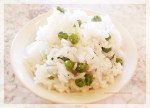
Today I introduce you to steamed white rice with green peas. The Japanese process for cooking rice is a little complicated, so in this recipe I show you the easiest way to cook steamed rice. It takes about an hour, but you don’t need to do much.

We have many kinds of seasoned-steamed rice recipes, because rice is the most important carbohydrate in the  Japanese diet. Japanese rice is short-grain rice which is soft, sticky and a little bit sweet in taste. This is good for ease of digestion and also great for making Sushi rice.

The “Green Pea Rice” in this recipe has a slightly salty taste and a very tender green pea texture so even kids who don’t like green peas tend to eat this rice happily.

Green peas are high in protein, vitamins, minerals, fiber and so on. Green Peas also have more vitamin B1 and fiber than many vegetables. But the nutritional value can weaken under the heat so when you cook, you can add the green peas to the recipe as the last part of the cooking process.

I love rice but I don’t have time to cook it for every meal so I always cook large amounts of steamed rice and freeze some of it. To store steamed rice, put cooked rice in a freezer bag and keep in the freezer. When you want to heat it up, you can microwave on a microwavable dish for 2~2:30 minutes. Please use the frozen rice within a month.

{Ingredients (servings 2)}

1 ½ cup Dried Rice (short-grain rice)

⅓ cup Frozen Green Peas

1 tsp. Salt

2 Tbsp. Cooking Sake

Water for soaking rice and cooking rice

Here is my recipe in PDF (5 MB): Green Pea Rice

5 Comments

Delicious Braised Eggplant (Vegan/Vegetarian/Gluten-Free)

Following the previous post “This is what I call a great traditional Japanese dish!”,

This is what I call a great traditional Japanese dish!(Vegan/Vegetarian/Gluten-Free)

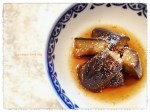
I will introduce you to one more traditional Japanese vegetable side dish which is called “Braised Eggplant”. This is also from Buddhist cuisine. It is very delicious, healthy and low-calorie!

If you like eggplant, I highly recommend you try this! You can enjoy the flavorful, tender, and yummy eggplant. The recipe is very easy and very traditional. I simmer eggplant in Japanese Dashi stock, soy sauce, cooking Sake and Mirin. If you like the flavor in Japanese dishes  you should keep soy sauce, cooking Sake, Mirin and Dashi stock on hand (here is my Dashi stock recipe in PDF: Homemade Anchovy Dashi StockKelp Dashi stock ) (also some Asian markets carry useful Dashi stock powder). If you want to try more healthy dishes but you are not a big fan of Japanese flavors, you can just simmer the eggplant in vegetable stock and season with a pinch of salt and pepper. This is also a healthy and low-calorie dish. Unfortunately, however, if you cook it this way you will not get the protein that we get from soy sauce. In fact, my family doesn’t eat soy beans often, we usually get the soy nutrition from soy sauce, Tofu, Miso (soy bean paste), Natto (fermented soy beans), soy milk and so on.

In this recipe, I didn’t peel the eggplant because one of the important nutrients, Anthocyanin (antioxidant), is found in high amounts in eggplant skin. If you don’t like the gooey texture that the skin adds you can peel the eggplant.


{Ingredients (servings 2)}

½ Eggplant

1 cup Kelp Dashi Stock
(Recommended Dried Kelp for Dashi stock) Dashi Dried Kelp

2 Tbsp. Soy Sauce
(Recommended Gluten-Free Soy Sauce)Soy Sauce REDUCED SODIUM [Gluten Free] (Organic)

2 Tbsp. Cooking Sake

2 Tbsp. Mirin Sweet Cooking Rice Wine


Here is my recipe in PDF (4 MB): Braised Eggplant

Here is my “Kelp Dashi Stock” recipe in PDF: Kelp Dashi stock


5 Comments

This is what I call a great traditional Japanese dish!(Vegan/Vegetarian/Gluten-Free)

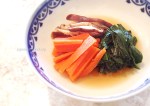
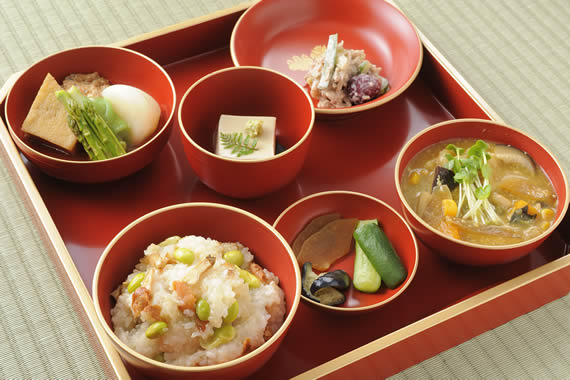
People have use this recipe since about 1300 years ago. This dish is typical Buddhist cuisine. Buddhist cuisine is cooked based on Buddhist concepts. The ingredients are mainly beans and vegetables. But the dishes are flavorful and nutritious because they were created to charge the energy of Samurai.

photo2_large

This recipe is a basic Japanese dish in which I cut vegetables and simmer in Japanese Dashi stock. The Dashi stock is the most important ingredient. If you can’t prepare Dashi stock, you can use vegetable stock or chicken stock as a substitute for Japanese Dashi stock. Of course the flavor will change but it will still be healthy! In a similar way, you can use white wine as a substitute for cooking Sake.

This is a side dish so you can have it along with or in place of a salad with your meal!


{Ingredients (servings 2)}

1 Carrot

3 Shiitake Mushrooms

½ bunch Fresh Spinach

2 Tbsp. Soy Sauce
(Recommended Gluten-Free Soy Sauce)Soy Sauce REDUCED SODIUM [Gluten Free] (Organic)

2 Tbsp. Cooking Sake

1 cup Kelp Dashi stock
(Recommended Dried Kelp for Dashi stock) Dashi Dried Kelp
*Any kind of Dashi stock is okay*
(Recommended instant bonito Dashi powder)Ajinomoto – Hon Dashi

¼ tsp. Salt


Here is my recipe in PDF (5 MB): Braised Vegetables

Here is my Kelp Dashi stock recipe in PDF: Kelp Dashi stock

Here is my Anchovy Dashi stock recipe in PDF: Homemade Anchovy Dashi Stock


6 Comments

The easiest TOFU dish! (Vegan/Vegetarian/Gluten-Free)

This is the quickest, easiest, healthiest summer time side dish. It’s just cold Tofu with green onion and ginger.

This is a dish you might have when you want to add one more nutritious dish to your meal; when you don’t have any time to cook in the morning; when you don’t have a big appetite; or when you want to eat late at night…

Tofu has a lot of nutrition. As you know, tofu is high in great protein so it is often used as a meat substitute for vegetarians. Also tofu is low calorie (33 kcal / 2 oz.) so it is good food for people who care about their’ diet.

Ginger is used as a medicine (we call it Kampo) in Eastern Medicine. It may improve our immune system  and also has antibacterial and antioxidant properties.

Green onion is high in vitamins and carotene. It also has antibacterial properties. So These two vegetables are great to make you more energetic and healthy.

Serving: 1

Total Cooking Time: 5 minutes

Total Calorie: 49 kcal

[Ingredients]

・1/6 pack(2~3 oz.) of firm Tofu (33 kcal)

・1 Tbsp. of minced Green Onion (5 kcal)

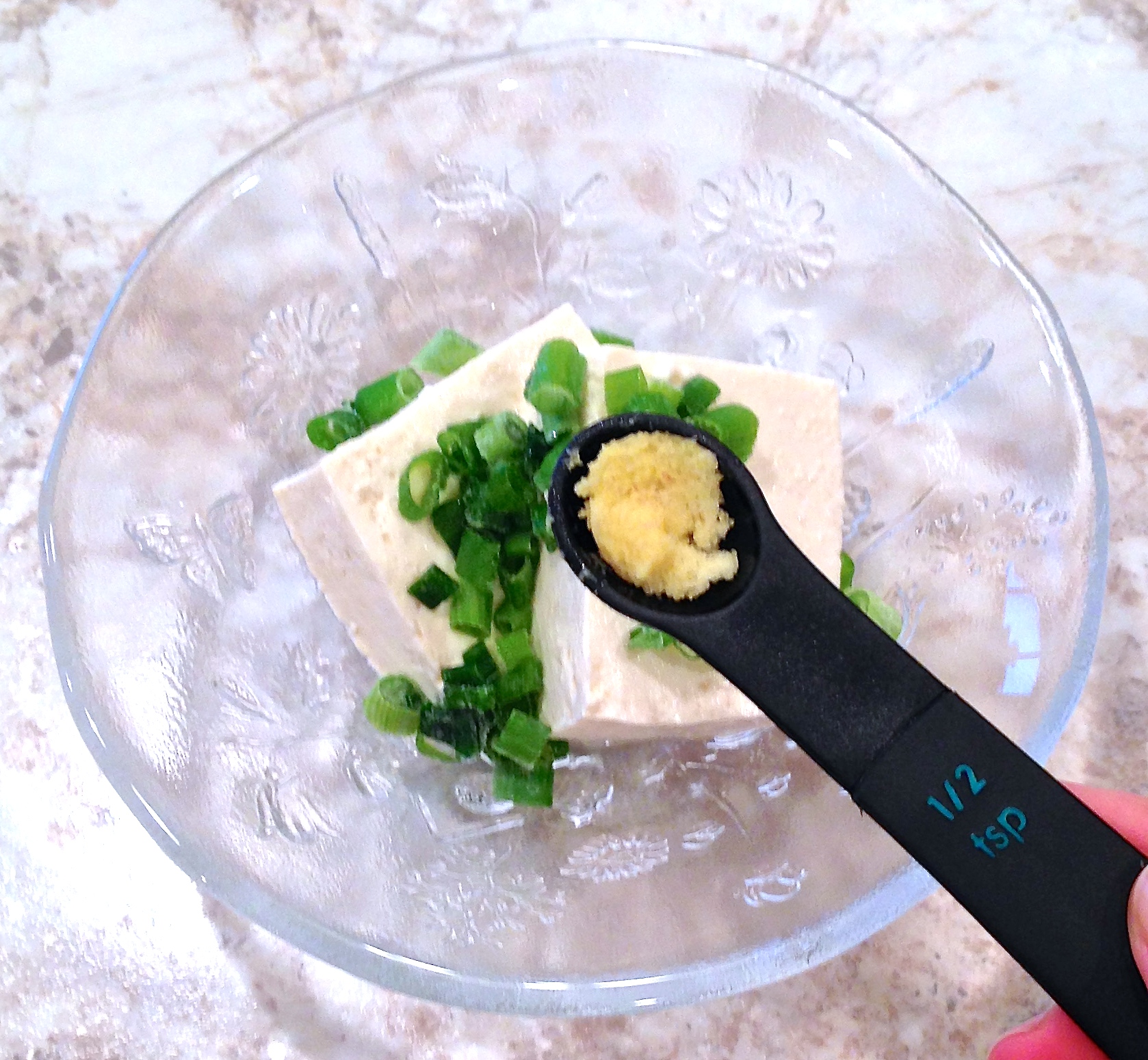
・1/2 tsp. of grated Ginger (1 kcal)

・1 Tbsp. of Soy Sauce (10 kcal)
(Recommended Gluten-Free Soy Sauce)Soy Sauce REDUCED SODIUM [Gluten Free] (Organic)

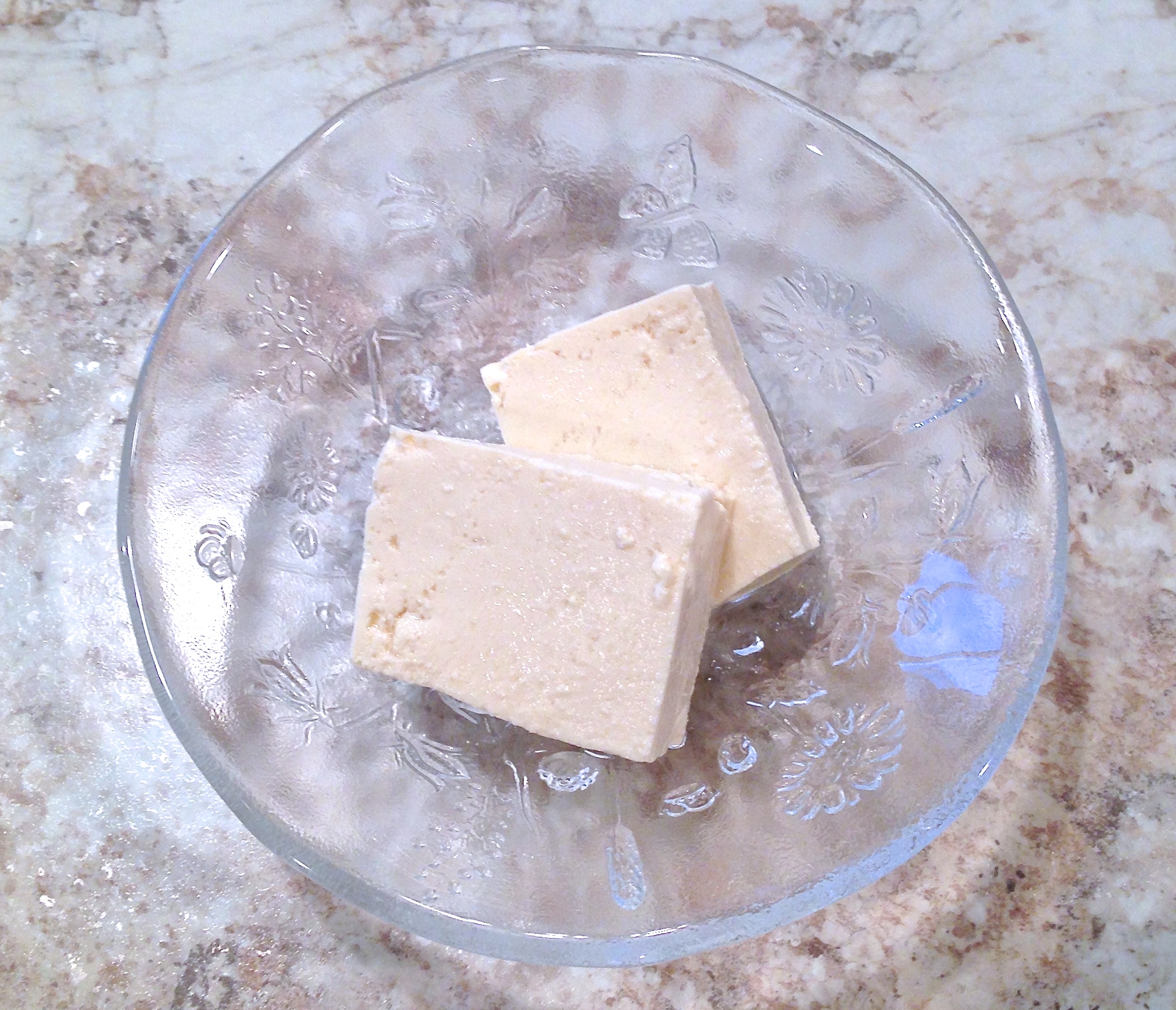
Cut washed tofu into small size and transfer to a plate.

IMG_7177

Add green onion and ginger on the tofu.

IMG_7178IMG_7179

Drizzle with soy sauce.

IMG_7182


4 Comments

Quick and Delicious! “Tofu Salad with Sesame Dressing” (Vegan/Vegetarian/Gluten-Free)

Sesame dressing is very popular dressing in Japan. It tastes great and is of course extremely healthy.

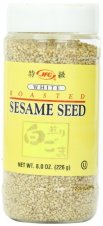
This is White Roasted Sesame Seeds I used in this recipe.

81I1JemOTZL._SY606_

Sesame is high in arginine, oleic acid, linoleum acid, sesamin, and it has great quality protein, iron, niacin and vitamin B. Sesame has high antioxidant properties due to vitamin E and linoleum acid. This means sesame may improve our immune system. Another important ingredient in sesame is Lignan. Lignan helps liver function and cholesterol depletion. I highly recommend to have 1 Tbsp. of sesame per a day. Of course, having it in this salad dressing is a delicious way to eat sesame.

In this recipe I will also introduce you to Tofu Salad, which goes great with sesame dressing. It is quick, delicious and very nutritious! When you want to add more protein, vitamins and minerals to your meal, please try this easy quick delicious salad!!


{Ingredients (servings 2)}
*Click BLUE TEXT to link to the product on Amazon*

2 Tbsp. Soy Sauce
(Recommended Gluten-Free Soy Sauce)Soy Sauce REDUCED SODIUM [Gluten Free] (Organic)

2 Tbsp. Rice Vinegar

1 Tbsp. Pure Sesame Oil

1 Tbsp. White Roasted Sesame Seeds

12 pieces Grape Tomatoes

½ cucumber

3.5 oz. (¼ pack) Firm Tofu


Here is my recipe in PDF (3 MB): Tofu Salad with Sesame Dressing


2 Comments

Japanese Super Food “Natto” (Vegan/Vegetarian/Gluten-Free)

Today I am going to tell you about Natto which is a traditional Japanese SUPER FOOD. It is made by fermenting soybeans with Bacillus subtilis var. Natto.

The taste of Natto itself comes from the soybean. We stir and drizzle Natto with Dashi stock and soy sauce when we eat so it tastes really good with steamed rice. it has a gooey texture and threads a lot when stirred, and it also has an ammonical smell. Therefore, most Japanese is really love it, but some people don’t like it, especially the smell.

p_204

However, Natto is incredibly nutritious and there is one kind of nutrition, Nattokinase (an enzyme) we can get only from Natto.

1. Nattokinase

Nattokinase is an enzyme. This enzyme is very important catalyser for human digestion after ingesting food. Nattokinase has also been known to dissolve blood clots.

2. Vitamin K

Natto is high in Vitamin K and good-quality protein. Vitamin K leads to activation of protein. Low vitamin K may cause osteoporosis and arteriosclerosis. Foods containing high vitamin K other than Natto are sea weed, parsley and spinach.

3. Probiotics

Natto’s fiber and Bacillus subtilis var. Natto are probiotics so Natto improves our intestines environment which has a huge effect on our immune system.

4. Bactericidal effect

Many studies show Natto sterilizes Escherichia coli and Salmonella. In the pre-antibiotic era, Natto was used as a medicine for some epidemics.

5. Antibacterial effect

Dipicolinic acid that is contained in Natto has high antibacterial effects on Streptococcus pyogenes, Escherichia coil and Vibrio.

{How to eat}

IMG_7447

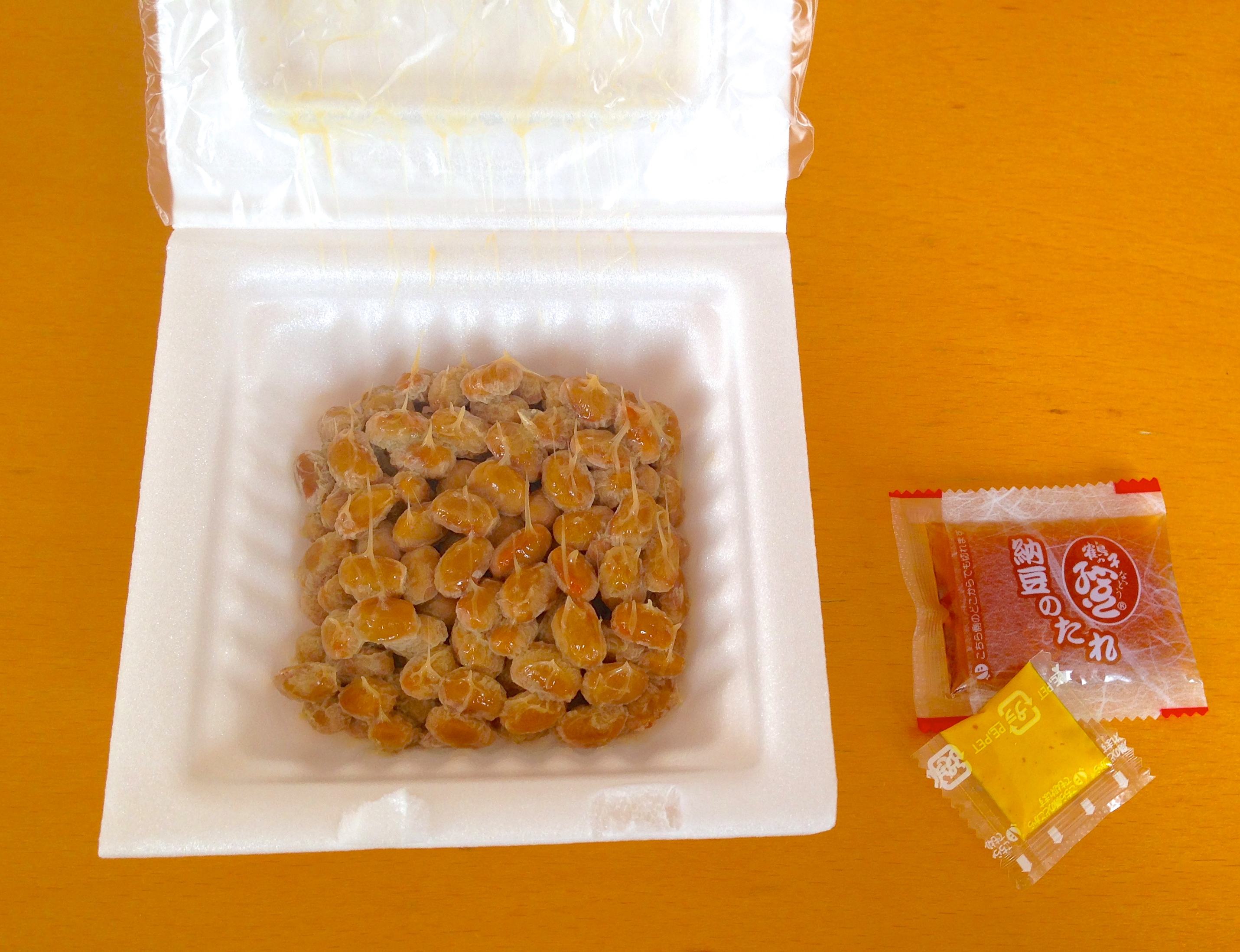
Open the package and you will usually see a pouch of sauce and mustard along with the Natto. Transfer Natto into a small bowl and stir until it becomes gooey and threads. Add the sauce (and the mustard to taste) to the bowl and mix. If there is no sauce, you can drizzle with soy sauce. You can also add some Dashi stock to taste.

When you add mustard or some chopped green onion, the Natto’s smell is reduced.

When you add some Tofu or steamed rice to Natto, the gooey texture is reduced.

I want you to try eating Natto once. And if you like it, I highly recommend eating one pack of Natto a day. If you don’t like it very much, you can get similar nutritions from Tempeh instead.


Leave a comment

Grated Japanese Yam (Vegan/Vegetarian/Gluten-Free)

This recipe is just grated Japanese yam. Japanese sometimes eat grated yam by itself, pour it on steamed rice, or put it on noodles, and so on.

Japanese yam is a very nutritious vegetable as I told at https://japanese-food.org/2015/05/12/japanese-yam-salad/

The yam has a sticky texture because of Mucin, one of it’s ingredients. Especially when the yam is grated, the texture become more smooth and sticky, and this sticky texture gives our bodies some great benefits, such as protecting our mucous membranes in the stomach, protecting our body from some viruses and so on. Mucin is a soluble fiber and helps keep water in our cells.

Traditionally, people say the grated Japanese yam loosened phlegm, so I used to eat it when I caught a cough. Additionally, the yam is easy to digest so it is good food when you are sick.

It is easy, simple and quick. Nothing difficult. Just grate the yam and mix with some Japanese Dashi stock.


{Ingredients (servings 2)}

5-inch length Japanese Yam

¼ cup Kelp Dashi Stock
(Recommended Dried Kelp for Dashi stock) Dashi Dried Kelp

A splash of Soy Sauce
(Recommended Gluten-Free Soy Sauce)Soy Sauce REDUCED SODIUM [Gluten Free] (Organic)

⅛ tsp. Japanese Wasabi Paste
(Recommended Gluten-Free Wasabi Powder)Organic Seasoning Wasabi Powder


Here is my recipe in PDF (3 MB): Japanese Yam

Here is “Kelp Dashi Stock” recipe in PDF: Kelp Dashi stock


7 Comments

Japanese Yam Salad (Vegan/Vegetarian/Gluten-Free)

Have you ever had Japanese yam?

yam

It is a kind of potato that grows straight into the ground so it has a long shape. (It sometimes grows to more than 3 feet).

b43f7533-s

In Japan, people have eaten the yam for about 3000 years. Therefore, the yam is very important to the Japanese diet.

We can eat this yam raw because it has a gelatinized starch and some of the nutrition in this type of yam are breaks under heat. The Japanese yam is rich in diastase, a digestive enzyme which helps our digestion and absorption of nutrition into the body. Also the yam is high in vitamin B1, vitamin C, calcium, potassium and mucin.

Mucin is soluble fiber and helps keep water in our cells. Therefore, it protects our mucous membranesin the stomach, and protects our body from some viruses. Some studies say the yam also prevents dry eyes because mucin is an ingredient in tears. Mucin gives the yam a great smooth, sticky texture, especially when it is grated. This is great for our body. It heals our tiredness and helps our digestion, so the yam is great for your diet when you are recovering from being sick, when you have no appetite, and so on.

(The yam has Calcium oxalate, so it can sometimes make you feel itchy on your hands or around your lips when you touch it, but you feel better as soon as you wash the itchy part with acid water (a mixture of vinegar and water). In rare case some people are allergic to the yam, so if it gives you a weird feeling inside your mouth, you have to stop eating it and call a doctor.)

Today, I introduce you to Japanese yam salad. It is very simple and easy. I always use pickled plum sauce because it is extremely healthy and is a fermented food. But you can use any dressing you want, because the yam doesn’t have strong flavor so it won’t change the taste of your favorite dressing taste!

Enjoy your new nutritious salad!!!


{Ingredients (servings 2)}

4-inch length Japanese Yam

½ Cucumber

1 Pickled Plum

1 Tbsp. Soy Sauce
(Recommended Gluten-Free Soy Sauce)Soy Sauce REDUCED SODIUM [Gluten Free] (Organic)

2 Tbsp. Rice Vinegar (total)

2 cups Water


Here is my recipe in PDF (4 MB): Japanese Yam Salad


2 Comments

Vegetable Mix Tempura (Vegan/Vegetarian)

“Vegetable Mix Tempura”, which is called “Kakiage” in Japanese, is a traditional Japanese recipe. We enjoy this tempura on steamed rice, on Japanese Soba noodle, on Japanese Udon noodle, or just the tempura itself.

In Japan, people always try to make the tempura with a great crunchy texture. With this recipe, you can cook crunchy tempura easily. The seasoning is only salt, the vegetables are tender and the batter is crunchy so you can really enjoy more vegetables. Also, the recipe is very simple. I just use 1 skillet, 1 bowl, a cutting board and a knife. So If you have kids who don’t like vegetables very much, you might want to try to cook this recipe!

Enjoy!!


{Ingredients (servings 4)}

1 large Onion

4 oz. Shiitake Mushrooms

1 Carrot

½ American Eggplant

½ cup Flour

5 Tbsp. Cold Ice Water

Vegetable Oil for Frying


Here is my recipe in PDF (5 MB): Vegetable Mix Tempura


Leave a comment

Japanese Wheat Noodle (Vegan/Vegetarian)

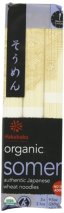
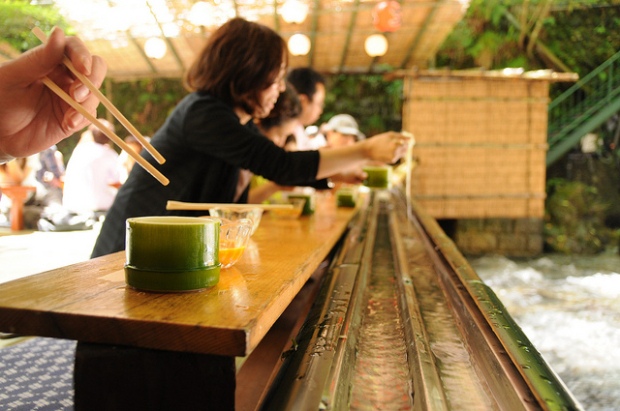
Somen is a Japanese wheat noodle. In Japan, people traditionally eat cold Somen with cold broth in the summer. At some summer events, Somen noodles are placed in a long flume of bamboo with ice cold water. As the somen pass by, people pick them up with chopsticks and dip them in the broth. Somen has been eaten at ceremonial occasions since about 700 years ago.

This is Organic Somen Noodles (3.1 oz.) I used in this recipe.
61f-UiwBKaL._SY606_

201307100909065968942052_af3dd42102_z-1

Today I introduce you to Japanese wheat noodle with delicious hot Dashi broth. It is very quick and easy!

Enjoy your new noodle recipe!


{Ingredients (servings 2)}
*Click BLUE TEXT to link to the product on Amazon*

A bunch of Organic Somen Noodles (3.1 oz.)

3 Cups Kelp Dashi Stock or Anchovy Dashi Stock
(Recommended Dried Kelp for Dashi stock) Dashi Dried Kelp
(Recommended Dried Anchovy for Dashi stock)Anchovy Dried Iwashi Fish

1 Tbsp. Soy Sauce

½ Tbsp. Cooking Sake

½ tsp. Salt

2 Tbsp. minced Green Onion (total)

Boiled Water, for boiling dried Somen noodle


Here is my recipe in PDF (4 MB): Japanese Wheat Noodle

“Anchovy Dashi Stock” recipe in PDF: Homemade Anchovy Dashi Stock

“Kelp Dashi Stock” recipe in PDF: Kelp Dashi stock