Your Home for Homemade Japanese Food

How to cook "with visual instructions" "using familiar ingredients from your local grocery stores" healthy, traditional and delicious Japanese dishes!!


1 Comment

Sweet-Savory Japanese-Style Pumpkin (Vegan/Vegetarian/Gluten-Free)

In the Japanese diet, simmered vegetable dishes are very important to fulfill the terms of the Japanese basic meals rule, which is called “Ichi-juu, San-sai.” This basic meals rule means basic meals should consist of one bowl of cooked rice, one kind of soup and three vegetable or fish side dishes.
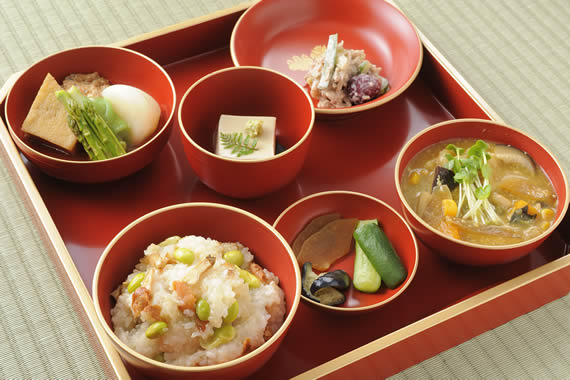
photo2_large

Also simmered vegetable dishes are very common in Mahayana Buddhist cuisine for Buddhist monks. These dishes are an important nutritional source for the monks who are forbidden from eating meat and fish.
kabotya

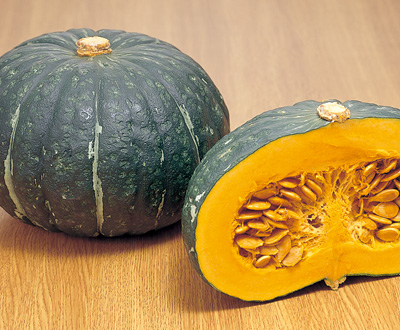
In the Japanese dish, C. maxima pumpkin is a common ingredient. It is high in vitamins, potassium, fiber and beta-carotene. The taste is very sweet. We also use this pumpkin for sweets. Interestingly the pumpkin is lower in calories and carbohydrates than bananas!

This recipe is incredibly easy. You can put water, Japanese common seasonings and the pumpkin in a pan at the same time and just simmer. We don’t use Dashi stock because the pumpkin has great flavor itself.

I hope you can add this dish to your dinner.


{Ingredients (servings 2)}

½ Pumpkin

2 cups Water

2 Tbsp. Sugar

3 Tbsp. Soy Sauce REDUCED SODIUM [Gluten Free] (Organic)

2 Tbsp. Cooking Sake

2 Tbsp. Mirin Sweet Cooking Rice Wine


Here is my recipe in PDF: Sweet-Savory Japanese-Style Pumpkin


Leave a comment

Easy Homestyle Japanese Steamed Fish (Gluten-Free)

Steaming is a simple and healthy way to cook. And you can steam in the oven so it is very easy! Steamed dishes are very flavorful, the ingredients are tender, and steaming helps keep all of the ingredient’s nutrition!!

Steamed fish in aluminum foil is a traditional Japanese dish; although Japanese used to use paper instead of aluminum foil. Steaming this way has many practical benefits such as not keeping a fish smell inside the house from cooking, using fewer dishes, great preservation of each ingredient’s nutrition, condensation of amazing flavor and so on. I used Tilapia, onion, carrot and green onion. You can also use a variety of different vegetables, most kinds of fish and shellfish, a variety of meats and so on. You can taste each ingredient’s great flavor, which makes this approach different from other cooking methods.

Tilapia is high in potassium and vitamin D, E and of course omega-3. And also it is bland-tasting so you can cook it in many ways, like frying, steaming, sauté, baking and so on.

gc_gptActImage20090501065630

Japanese eat fish a lot so I highly recommend eating fish at least occasionally to stay healthy.


{Ingredients (Servings 2)}

2 Pieces of Tilapia

1 Carrot

1 Onion

2 Tbsp. chopped Green Onion

2 tsp. Gluten-Free Margarine

2 Tbsp. Cooking Sake or White Wine

Pinch of Salt (to taste)

Pinch of Black Pepper (to taste)


Here is my recipe in PDF: Japanese Steamed Fish


Leave a comment

Pumpkin Croquette

Today I introduce you to a simple and healthy vegetable croquette recipe. This time I cooked the croquette in the oven so there is no need to worry about hot oil and messing up a  kitchen. The ingredients are pumpkin (C. maxima), onion and carrot.

kabotya

The differences between this recipe and the potato croquette recipe I posted earlier are taste and nutrition. I used C. maxima pumpkin (Kabocha), which is common in Japan. C. maxima pumpkins are especially high in vitamins, potassium, fiber and beta-carotene. They have more of a strong sweet taste than butternut squash, are not soggy and taste very good. So this kind of pumpkin is good for simmering dishes, a traditional style in Japanese cooking.

 *Click picture to link to this product on Amazon*

In this recipe I show you my mother’s original batter for fried dishes. Normally fry-batters are made from flour, egg and panko (bread crumbs). My mother’s batters are an egg mixture (egg, flour and white vinegar) and panko  (bread crumbs). The white vinegar makes the croquette batter very fluffy texture. You can use this egg mixture for any fried dishes such as fried chicken. Please try it!


{Ingredients (12 balls)}
*Click BLUE TEXT to link to the product on Amazon*

½ Pumpkin (Kabocha)

1 Onion

1 Carrot

1 Egg

1 Tbsp. Flour

2 Tbsp. water

1 tsp. Rice Vinegar

1 cup Panko Bread Crumbs Japanese Style

3 Tbsp. Olive Oil

½ tsp. Salt

¼ tsp. Black Pepper


Here is my recipe in PDF: Vegetable Croquette


Leave a comment

Heal your stomach with healthy Ginger Soymilk Soup after big dinner. (Gluten-Free)

This Ginger Soup is my mother’s original recipe. The ingredients are ginger, garlic, soy milk, onion, carrot and so on. Because of this, the dish makes you warm, helps your digestion, improves immunity, and speeds up your metabolism. I used to have the dish when I didn’t feel well. The dish has great flavor and incredible taste.

20121128_2741894

The nutrition in Napa cabbage is similar to that in regular cabbage, but it is lower in carbohydrate and calories than cabbage. Napa cabbage has Isothiocyanate, so it is good for digestion.

Importantly, Napa cabbage is an ingredient essential for Buddhist cuisine. Buddhist cuisine is a dish for Buddhist monks who are forbidden from eating meat and fish (Mahayana Buddhism). There are several detailed rules for cooking Buddhist cuisine.

9_20091001212426

For example:

Using the following in one meal.

5 cooking methods : Raw, Simmer, Bake, Fry, Steam

5 seasonings: Sweet, Acid, Salty, Gingery, Bitter

5 colors: Red, White, Green, Yellow, Black

In Buddhist cuisine the focus is on the minimum nutrition necessary for a human being. The goal is to not take too much energy and nutrition, and to be grateful for all life on earth. Recently, people on a diet or who have been  fasting tend to eat Buddhist cuisine after finishing the diet or fast, because it is easy on the stomach and healthy. We can have real Buddhist cuisine in some temples so it is popular with foreigners too.

Japanese healthy diets are based on Buddhist cuisine. On my site, there are some dishes that reflect Buddhist cuisine.

Enjoy this healthy ginger vegetable soy milk soup!


{Ingredients (2 servings)}

1 tsp. minced Garlic

½ tsp. grated Ginger

⅓ Napa Cabbage (7~10 leaves)

1 Onion

1 Carrot

2 Tbsp. minced Parsley to taste

¾ tsp. Salt

1 cup chicken stock

2 cups Soy Milk


Here is my recipe in PDF: Ginger Soup


3 Comments

Simmered Taro and Chicken (Gluten-Free)

Simmered food is a traditional delicious Japanese dish. There are many kinds of vegetable or fish simmered dishes, such as root vegetables, eggplant, lettuce, flounder, anchovy and so on. My mother carefully taught me how to cook simmered dishes because traditionally these dishes are called “Homemade taste,” and in old Japanese traditions women who can cook simmered dishes were considered full-fledged wives, so my mother thought I might want to cook these dishes well for my husband. Of course, we live in a different era today and my husband and I often cook together so we have the great culinary tradition without the sexist overtones.

Basically, the ingredients are root vegetables so the dish includes a lot of fiber which is good for helping digestion. I also used chicken breast which it is low in fat and high in great protein.

141030_ooshima012_480_360

Taro is an important ingredient in homemade taste Japanese dishes. You can get it easily at most grocery stores in the US. Taro is high in potassium and water. Taro also is lower in calories than other kind of potato. When you chew taro, it can feel slightly gooey. This feeling comes from mucin, which is also in our saliva and stomach juice, and it helps the stomach function better.

Enjoy this traditional, nutritious and delicious dish!!

{Ingredients (Serves 2)}
*Click BLUE TEXT to link to the product on Amazon*

0.5 lb. Chicken Breast or Thigh

1 peeled Carrot

1 peeled Onion

4 Dried Shiitake Mushrooms

1 cup Water (leftover from soaking Shiitake)

3 Taros

5 tablespoons Soy Sauce REDUCED SODIUM [Gluten Free] (Organic)

5 tablespoons Cooking Sake

4 tablespoons Mirin Sweet Cooking Rice Wine

Here is my recipe in PDF: Simmered Taro and Chicken


Leave a comment

Chicken Hamburger Steak in Japanese Style

Hamburger steak is a very popular dish in Japan. There are a lot of restaurants that specialize in hamburger steak. We usually have hamburger steak with sides of  vegetables and white rice, not with hamburger buns.

The hamburger steak recipe was brought to Japan from Germany. Japanese adjusted the recipe better for Japanese taste. Today I will teach you how to make the “Japanese style” Hamburger Steak, which is the most popular style in Japan.

I will teach you how to make Chicken Hamburger Steak with shiitake mushroom and onion in Japanese style. You can use any kind of vegetables you want in this recipe, and you could use beef instead of chicken if you want.

My mother often cooked it with ground chicken and many kinds of chopped vegetables to make it healthier.

Chicken meat has great taste, is good for digestion, and fortifies your nutrition if you are recovering from being sick. It is higher in amino acids and vitamin A than pork or beef, but has half the fat of pork or beef.

I put grated ginger in the steak because ginger has great flavor and also helps rid the meat of its chicken smell. Good smell is very important in many forms of Japanese cooking so that you can experience great taste, texture, and smell. Also, we serve Hamburger Steak with grated daikon (Japanese white radish) and soy sauce-rice vinegar sauce, which make the dish taste better and helps digestion.

It is very delicious! Enjoy!!


{Ingredients (Serves 2)}
*Click BLUE TEXT to link to the product on Amazon*

・1 lb. Ground Chicken

・1 Onion

・2 Dried Shiitake Mushrooms

・1 Egg

・½ cup Panko Bread Crumbs Japanese Style

・½ teaspoon Salt (total)

・½ teaspoon Black pepper

・1 teaspoon Grated Ginger

・1 teaspoon Chopped Garlic

・1 inch round, sliced Daikon (Japanese white radish)

・¼ cup Soy Sauce

・2 tablespoons Rice Vinegar


Here is my recipe in PDF: Chicken Hamburger Steak in Japanese style


Leave a comment

Korokke/Croquette

Today, I introduce you to Korokke (croquette).

The Japanese recipe is somewhat like the French croquette. We named it Korokke because it is the closest pronunciation using Japanese sounds to croquette. Because of this word borrowing many Japanese thought Korokke was a western food, but nowadays we realize it has become a Japanese food because the Japanese Korokke, while a bit similar to the French croquette, is actually not same.

Korokke is a very popular food for lunch, dinner or a snack. The ingredients are potato, ground meat and onion. Seasoning is only salt and pepper. We can also make vegetable Korokke without meat. My mother sometimes secretly put vegetables which I didn’t like, such as green pepper, celery and so on in the Korokke because it was always delicious! As just described, you can put anything you want for your family’s health or just for taste in a Korokke.


{Ingredients (for 2 people)}
*Click BLUE TEXT to link to the product on Amazon*

・4 Potatoes

・1 Onion

・½ lb Ground Chicken

・¾ teaspoon Salt (total)

・½ teaspoon Black Pepper (total)

・1 cup Flour

・2 Eggs

・1 cup Panko Bread Crumbs Japanese Style

・3 ½ cups Vegetable Oil


Here is my recipe in PDF: Croquette


3 Comments

Eggplant Tempura (Vegetarian)

I am sure many people think Japanese food = Tempura and Sushi.

Today I will teach you how to make Tempura with eggplant.

Once you see this recipe, you can make any kind of Tempura, such as shrimp, squid, fish and many kinds of vegetables, whatever you want.

I chose eggplant this time because it is my favorite Tempura. I like the juicy texture, light sweet taste and  low calories!! Eggplant also has polyphenol which works as an antioxident. So it is a good food to eat to help you stay healthy.

Japanese don’t eat Tempura so often because it is deep-fried, and not very healthy if we eat it every day.


{Ingredients (for 2 people)}

・½ American Eggplant

・1 cup Flour

・1 Egg

・1 cup Cold Water

・10 Ice Cubes

・3 ½ cups Vegetable Oil


Here is my recipe in PDF: Tempura


4 Comments

Seasoned Rice with Vegetables (Vegan/Vegetarian/Gluten-Free)

Today I introduce you to Takikomi Gohan which is seasoned rice with vegetables. It has a similar taste to fried rice, but it is steamed so a lot healthier. You can add vegetables (preferably root vegetables), shellfish, and/or chicken, and seasoning to the rice and cook just like cooking white rice.

The basic arrangement for many Japanese meals is called “Ichi-juu, San-sai”, and consists of one bowl of cooked rice, one kind of soup, and three vegetable or fish side dishes. Takikomi Gohan includes rice and some vegetables or fish so it is a fuss-free dish to help arrange Ichi-jiru, San-sai. And, or course, it just plain delicious! Also steamed rice absorbs the Umami of the ingredients so it is very nutritious and delicious!!

We sometimes have Takikomi Gohan as a Bento (boxed lunch) because it is tasty even when it is cold.

This time I use Shiitake mushroom, Daikon, Carrot and Snow pea with Kelp Dashi stock. So it has lots of vitamins, minerals, carotene and fucoidan. Dried Shiitake mushroom has vitamin D so we might want to eat winter time which has short sunshine hours.


{Ingredients (for 2 people)}
*Click BLUE TEXT to link to the product on Amazon*

・2 cups Premium Rice, Medium Grain

・3 pieces Dried Shiitake Mushrooms

・1 cup Water (leftover from soaking Shiitake)

・1 ½ cups Tap Water (Depends on amount of rice being soaked)

・2 inches round, sliced Daikon (Japanese white radish)

・1 Carrot

・10 pieces Snow peas

・4 inches × 4 inches sheet of Dashi Dried Kelp

・4 tablespoons Cooking Sake

・4 tablespoons Soy Sauce REDUCED SODIUM [Gluten Free] (Organic)

・4 tablespoons Mirin Sweet Cooking Rice Wine


Here is my recipe in PDF: Seasoned Rice


Leave a comment

Snow Pea and Egg (Vegetarian/Gluten-Free)

Today’s dish is called “Snow peas and Egg,” which is actually my mother’s original recipe. It uses sweet egg and snow peas that are a little bit salty. This dish is very easy to cook and popular with children because of the sweet and soft scrambled egg.

Snow peas have a lot of vitamins and carotene so it is good food for beauty. Egg is, needless to say, high quality protein and high in vitamins and minerals. So my mother knew it is good for children because it is easy, nutritious and delicious!!


{Ingredients (For 2 people)}

About 20 pieces of snow pea (according to your taste)

3 Eggs

2 tablespoons Sugar

¼ teaspoons salt

1 tablespoon vegetable oil


Here is my recipe in PDF: Snow pea and Egg