Your Home for Homemade Japanese Food

How to cook "with visual instructions" "using familiar ingredients from your local grocery stores" healthy, traditional and delicious Japanese dishes!!


1 Comment

Sweet-Savory Japanese-Style Pumpkin (Vegan/Vegetarian/Gluten-Free)

In the Japanese diet, simmered vegetable dishes are very important to fulfill the terms of the Japanese basic meals rule, which is called “Ichi-juu, San-sai.” This basic meals rule means basic meals should consist of one bowl of cooked rice, one kind of soup and three vegetable or fish side dishes.
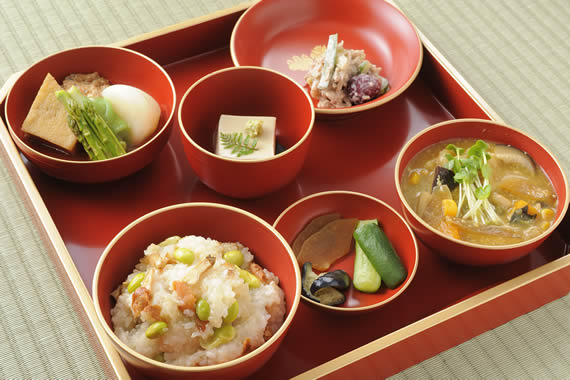
photo2_large

Also simmered vegetable dishes are very common in Mahayana Buddhist cuisine for Buddhist monks. These dishes are an important nutritional source for the monks who are forbidden from eating meat and fish.
kabotya

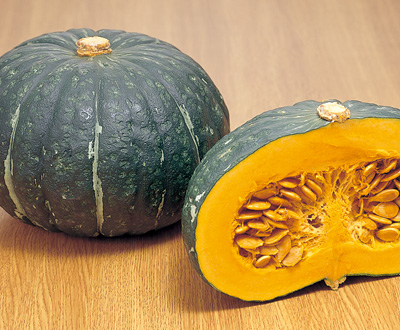
In the Japanese dish, C. maxima pumpkin is a common ingredient. It is high in vitamins, potassium, fiber and beta-carotene. The taste is very sweet. We also use this pumpkin for sweets. Interestingly the pumpkin is lower in calories and carbohydrates than bananas!

This recipe is incredibly easy. You can put water, Japanese common seasonings and the pumpkin in a pan at the same time and just simmer. We don’t use Dashi stock because the pumpkin has great flavor itself.

I hope you can add this dish to your dinner.


{Ingredients (servings 2)}

½ Pumpkin

2 cups Water

2 Tbsp. Sugar

3 Tbsp. Soy Sauce REDUCED SODIUM [Gluten Free] (Organic)

2 Tbsp. Cooking Sake

2 Tbsp. Mirin Sweet Cooking Rice Wine


Here is my recipe in PDF: Sweet-Savory Japanese-Style Pumpkin


Leave a comment

Easy Homestyle Japanese Steamed Fish (Gluten-Free)

Steaming is a simple and healthy way to cook. And you can steam in the oven so it is very easy! Steamed dishes are very flavorful, the ingredients are tender, and steaming helps keep all of the ingredient’s nutrition!!

Steamed fish in aluminum foil is a traditional Japanese dish; although Japanese used to use paper instead of aluminum foil. Steaming this way has many practical benefits such as not keeping a fish smell inside the house from cooking, using fewer dishes, great preservation of each ingredient’s nutrition, condensation of amazing flavor and so on. I used Tilapia, onion, carrot and green onion. You can also use a variety of different vegetables, most kinds of fish and shellfish, a variety of meats and so on. You can taste each ingredient’s great flavor, which makes this approach different from other cooking methods.

Tilapia is high in potassium and vitamin D, E and of course omega-3. And also it is bland-tasting so you can cook it in many ways, like frying, steaming, sauté, baking and so on.

gc_gptActImage20090501065630

Japanese eat fish a lot so I highly recommend eating fish at least occasionally to stay healthy.


{Ingredients (Servings 2)}

2 Pieces of Tilapia

1 Carrot

1 Onion

2 Tbsp. chopped Green Onion

2 tsp. Gluten-Free Margarine

2 Tbsp. Cooking Sake or White Wine

Pinch of Salt (to taste)

Pinch of Black Pepper (to taste)


Here is my recipe in PDF: Japanese Steamed Fish


Leave a comment

Incredibly Flavorful Chicken Meatball TERIYAKI

This chicken meatball dish is incredibly flavorful! I love it!!! The ingredients are chicken, egg, green onion and ginger so it is very healthy (low fat and low calorie!!).

The meatballs themselves have a slightly salty taste so you can use the meatballs for your salad, pasta, soup, sandwiches and so on.

Today I introduce you to chicken meatballs TERIYAKI. It has a sweet-salty taste, which is made from common Japanese seasonings: soy sauce, cooking Sake, sugar and Mirin, so it is not a heavy taste. I am sure you won’t be able to stop eating once you’re first bite!!

Many people have soy sauce in the house in the US. You can also use white wine instead of cooking Sake (The dish tastes little bit different though).

This is Mirin Sweet Cooking Rice Wine I used in this recipe.
41f9FKGBpjL

I strongly recommend that buy Mirin and keep it in your home for cooking. It is sweet cooking rice wine and adds great sweetness and Umami to dishes, and importantly Mirin also reduces the fish smell in seafood dishes. You can use Mirin in most Japanese cooking, can use it when you need sweetness in any dish, and you also can brush your sweets with Mirin and beaten egg yolk right before you bake so they turn a nice brown and taste slightly sweet. This sweetness comes from rice saccharifying amylase.

Enjoy these incredibly healthy and flavorful Japanese-style chicken meatball TERIYAKI!!


{Ingredients (20 small balls)}
*Click BLUE TEXT to link to the product on Amazon*

½ lb. Ground Chicken

1 Egg

2 Tbsp. minced Green Onion

½ tsp. grated Ginger

1 tsp. plus 2 separate Tbsp. Soy Sauce

½ tsp. Salt

1 ½ Tbsp. plus 2 separate Tbsp. Cooking Sake

1 ½ Tbsp. Flour

2 Tbsp. Mirin Sweet Cooking Rice Wine

2 tsp. Sugar


Here is my recipe in PDF: Chicken Meatballs Teriyaki


Leave a comment

Heal your stomach with healthy Ginger Soymilk Soup after big dinner. (Gluten-Free)

This Ginger Soup is my mother’s original recipe. The ingredients are ginger, garlic, soy milk, onion, carrot and so on. Because of this, the dish makes you warm, helps your digestion, improves immunity, and speeds up your metabolism. I used to have the dish when I didn’t feel well. The dish has great flavor and incredible taste.

20121128_2741894

The nutrition in Napa cabbage is similar to that in regular cabbage, but it is lower in carbohydrate and calories than cabbage. Napa cabbage has Isothiocyanate, so it is good for digestion.

Importantly, Napa cabbage is an ingredient essential for Buddhist cuisine. Buddhist cuisine is a dish for Buddhist monks who are forbidden from eating meat and fish (Mahayana Buddhism). There are several detailed rules for cooking Buddhist cuisine.

9_20091001212426

For example:

Using the following in one meal.

5 cooking methods : Raw, Simmer, Bake, Fry, Steam

5 seasonings: Sweet, Acid, Salty, Gingery, Bitter

5 colors: Red, White, Green, Yellow, Black

In Buddhist cuisine the focus is on the minimum nutrition necessary for a human being. The goal is to not take too much energy and nutrition, and to be grateful for all life on earth. Recently, people on a diet or who have been  fasting tend to eat Buddhist cuisine after finishing the diet or fast, because it is easy on the stomach and healthy. We can have real Buddhist cuisine in some temples so it is popular with foreigners too.

Japanese healthy diets are based on Buddhist cuisine. On my site, there are some dishes that reflect Buddhist cuisine.

Enjoy this healthy ginger vegetable soy milk soup!


{Ingredients (2 servings)}

1 tsp. minced Garlic

½ tsp. grated Ginger

⅓ Napa Cabbage (7~10 leaves)

1 Onion

1 Carrot

2 Tbsp. minced Parsley to taste

¾ tsp. Salt

1 cup chicken stock

2 cups Soy Milk


Here is my recipe in PDF: Ginger Soup


Leave a comment

Steamed Chicken (Gluten-Free)

Today I introduce you to a very easy, delicious and healthy recipe called Mushi-dori (Steamed Chicken). You can use this steamed chicken as an ingredients in your salad, soup, noodles, and so on. Of course, you can also eat it as dish by itself and goes well with any kind of sauce.

This is a popular Japanese dish. Also, it is similar to Chinese and Thai steamed chicken, although the seasonings are different.

For this dish I recommend using chicken breast because of texture, flavor and health benefits.

image

I steam the chicken breast with ginger and cooking Sake. Ginger is very nutritious and healthy. It helps our blood flow, helps speed up our metabolism, and blocks the oxidation process in our bodies. Also, ginger is very flavorful and helps rid the meat of its chicken smell.

Also, in this recipe I show you a famous sauce for steamed chicken called Goma-dare (Sesame sauce). You can also use this sauce for Shabu-Shabu (boiled, thinly sliced beef).

81I1JemOTZL._SY606_
This is White Roasted Sesame Seeds I used in this recipe.

Sesame is also very nutritious. It is high in minerals, vitamins, fiber and protein. The most important ingredient in sesame is Lignan which is an antioxidant. Lignan helps liver function and cholesterol depletion. It is good for our health to take 1 Tbsp. of sesame per day.


{Ingredients (Serves 2)}
*Click BLUE TEXT to link to the product on Amazon*

1 lb. Chicken Breast

¼ cup Cooking Sake

¼ cup water

1 tsp. grated ginger

[Sauce]

1 Tbsp. leftover juice of chicken

1 Tbsp. Soy Sauce REDUCED SODIUM [Gluten Free] (Organic)

1 Tbsp. Sugar

1 Tbsp. Miso Soyabean Paste

1 Tbsp. Rice Vinegar

1 Tbsp. Mirin Sweet Cooking Rice Wine

1 Tbsp. White Roasted Sesame Seeds

½ Tbsp. Pure Sesame Oil


Here is my recipe in PDF: Steamed Chicken


Leave a comment

Savory Egg Custard (Gluten-Free)

Chawan-mushi (Savory egg custard) is a dish in which eggs, various ingredients and Dashi stock are steamed together. It has a very smooth texture, great flavor and wonderful nutrition because the ingredients are steam cooked in the egg custard/Dashi stock mixture in a closed steamer so the taste, flavor and nutrition are condensed in the dish.

cuisinart-steamer-chefs-classic-2-77-35cg-popup

Recently, people have started using the microwave for cooking Chawan-mushi because it is quick and easy, but I think the taste and texture are very different so I use a steamer. It takes a little bit more time but it is the best!

I used shiitake mushroom and chicken breast in this recipe. It is high in vitamins, has great protein, and also is low in calories.

Chawan-mushi has a delicate flavor and amazing texture. It is very delicious! Please cook it and taste it!


{Ingredients (Serves 2)}

3 Eggs

4 oz. Chicken Breast

2 pieces Dried Shiitake Mushrooms

2 ½ cups Water (leftover from soaking shiitake mushrooms)

2 tsp. Mirin Sweet Cooking Rice Wine

4 tsp. Soy Sauce REDUCED SODIUM [Gluten Free] (Organic)

¾ tsp. Salt

2 tsp. Cooking Sake


Here is my recipe in PDF: Chawan-mushi


Leave a comment

Fried Eggplant with Chicken and Miso (Gluten-Free)

Today, I introduce you to fried eggplant. This dish is my mother’s original recipe. She used Miso paste and ginger so it is very nutritious and delicious.

Eggplant is low calorie and has polyphenol, which works as an antioxident.

Miso is a fermented food. Recently, there have been some studies suggesting that fermented foods can improve our immunity. Japanese, who live longer than people from any other country, eat a lot of fermented foods, such as Umeboshi (pickled plum), soy sauce, Miso paste, Katsuobushi (dried bonito) and Natto.

Ginger is also very nutritious and healthy. Ginger helps  our blood flow, helps speed up our metabolism, and blocks the oxidation process inside our body.

This dish has the great flavor of ginger and juicy chicken and it doesn’t have a strong taste of Miso paste, so I am sure everybody can enjoy it!


{Ingredients (for 2 people)}
*Click BLUE TEXT to link to the product on Amazon*

・½ Eggplant

・0.5 lb Ground Chicken

・1 teaspoon grated ginger

・1/4 cup vegetable oil

・4 teaspoons ORGANIC Miso Paste

・2 teaspoons Sugar

・2 teaspoons Mirin Sweet Cooking Rice Wine

・4 teaspoons Cooking Sake


Here is my recipe in PDF: Fried Eggplant with Miso


3 Comments

Eggplant Tempura (Vegetarian)

I am sure many people think Japanese food = Tempura and Sushi.

Today I will teach you how to make Tempura with eggplant.

Once you see this recipe, you can make any kind of Tempura, such as shrimp, squid, fish and many kinds of vegetables, whatever you want.

I chose eggplant this time because it is my favorite Tempura. I like the juicy texture, light sweet taste and  low calories!! Eggplant also has polyphenol which works as an antioxident. So it is a good food to eat to help you stay healthy.

Japanese don’t eat Tempura so often because it is deep-fried, and not very healthy if we eat it every day.


{Ingredients (for 2 people)}

・½ American Eggplant

・1 cup Flour

・1 Egg

・1 cup Cold Water

・10 Ice Cubes

・3 ½ cups Vegetable Oil


Here is my recipe in PDF: Tempura


1 Comment

Simmered Japanese White Radish (Vegan/Vegetarian/Gluten-Free)

Japanese use Daikon (Japanese white radish) for many dishes. Daikon is high in water, vitamin C and vitamin A, and is a low calorie ingredient. Daikon helps digestion so we sometimes eat fish or meat with grated daikon.

Today I will introduce “Simmered Daikon”.  This dish is really easy to cook and delicious! It is one of the best dishes in my mother’s recipes. It is called “Daikon no taitan” just in the Kyoto area (Kansai region) of Japan, so this dish is one representative of Kyoto.


{Ingredients (For 2 people)}
*Click BLUE TEXT to link to the product on Amazon*

Daikon (Japanese white radish)

2 ½ cups Kelp Dashi stock
(Recommended Dried Kelp for Dashi stock) Dashi Dried Kelp

2 tablespoons Cooking Sake

2 tablespoons Soy Sauce REDUCED SODIUM [Gluten Free] (Organic)

1 tablespoons Mirin Sweet Cooking Rice Wine


Here is my recipe in PDF: Simmered Japanese white radish

Here is “Kelp Dashi Stock” recipe in PDF: Kelp Dashi stock


5 Comments

Homemade Kelp Dashi stock / Salted Kelp (Vegan/Vegetarian/Gluten-Free)

Today I will show you how to cook “Kelp Dashi stock”.

Kelp is very nutritious and delicious when prepared correctly. It is low calorie, high in iodine, minerals, and fucoidan. It is good for making your skin smooth, hair and nails strong, and also helps to treat constipation. It is also a great food for people on diets. It is good for our health.

Significantly, while Kelp is gooey and chewy, because of its nutritional elements and fucoidan, Kelp dashi stock is not gooey and doesn’t have a strong smell so you can use it for many dishes.

I introduced “Anchovy Dashi stock” before. These two dashi stocks differ in taste and flavor. We use Anchovy Dashi stock when we want a stronger fish taste in dishes. On the other hand Kelp Dashi stock is usually used for dishes which we want to enjoy the individual tastes of ingredients such as vegetables, fish and so on. Of course, it is good for vegetarians and people who don’t like Anchovy Dashi stock smell.

We usually use the kelp for other dishes after we cook Dashi stock. This time I will use the leftover kelp to introduce a side dish which we call “Shio Konbu (Salted Kelp)”. Japanese usually eat it with cooked white rice. Shio Konbu is also great in your salad. It makes your salad more nutritious, healthy and delicious!!


{Ingredients (for Dashi Stock)}
*Click BLUE TEXT to link to the product on Amazon*

2 pieces (4 inches×4 inches) Dried kelp
(Recommended Dried Kelp for Dashi stock) Dashi Dried Kelp

5 cups water

{Ingredients (for side dish Salted Kelp)}

1/2 cup Water

2 Tbsp. Soy Sauce REDUCED SODIUM [Gluten Free] (Organic)

1 tsp. Rice Vinegar


Here is my recipe in PDF: Kelp Dashi stock/ Salted Kelp