
Your Home for Homemade Japanese Food

How to cook "with visual instructions" "using familiar ingredients from your local grocery stores" healthy, traditional and delicious Japanese dishes!!


2 Comments

Mashed Taro Cakes (Gluten Free/Vegan/Vegetarian)

Today I introduce you to “Mashed Taro Cakes” which is my mother’s original recipe. She cooked it with leftover “Braised Taro” which I taught you how to make in my previous post on April 14. When I was child, I loved these “Mashed Taro Cakes” more than “Braised Taro”. These two recipes have the same taste but they have a different texture.

I used the same sauce as I did with the “Braised Taro” recipe, which tastes salty-sweet. You use the sauce to finish the cakes, but you can eat them without the sauce. In fact, you can simply use salt and pepper because the taro has already absorbed the delicious sauce. Also, I coated the mashed taro patties in corn starch so the outside of the cakes are crunchy and the inside are smooth. It is very delicious!! I am sure many kids will like this dish.

Taro is high in potassium and water. Taro also is lower in calories than other kinds of potato. When you chew taro, it can feel slightly gooey. This feeling comes from mucin, which is also in our saliva and stomach juice, and it helps the stomach function better.

{Ingredients (servings 2)}

10 small “Braised Taros”

½ cup Corn Starch

3 Tbsp. Vegetable Oil

Here is my recipe in PDF: Mashed Taro Cakes

Here is “Braised Taro” recipe in PDF: Braised Taro


3 Comments

Japanese Side Dish “Braised Taro” (Gluten Free/Vegan/Vegetarian)

Today I introduce you to Japanese traditional dish “Braised Taro”. It is a very easy, simple and delicious side dish. My mother always cooked 5 small dishes for each member of our family for every dinner. The 5 dishes idea comes from “Ichijiru-Sansai” which means basic meals should consist of one bowl of cooked rice, one kind of soup and three vegetable or fish side dishes. This dish is great as a side dish in a Japanese meal. In addition, we say “Hara-Hachibu” which means eat until you feel your 80% full, don’t eat until you are too full. This is a Japanese traditional eating rule for being healthy so my mother always prepared small dishes for each of us.

The recipe is easy. Just simmer taros in Dashi stock. I used “Kelp Dashi Stock,” but you can use any kind of stock. The dish is mainly seasoned with soy sauce and the taros become so tender that they absorb the Dashi well so it is very delicious and it is great for vegetarians if you use vegetable stock. Also, it is an oil-free dish so it is very healthy.

When I introduce you cooking Japanese dishes I always try to show you the easiest way to cook these dishes even if you have no experience with cooking Japanese food. For example, in this recipe, I simmered peeled taros in Dashi stock. But usually taro requires extra preparation time for to simmer more easily and make a great final presentation. But in this recipe there is no need to do the extra preparation because even without it this dish is very delicious and looks great. I want everybody to try to cook Japanese dishes in a lighthearted and fun manner so we do not need to make these recipes hard in order to enjoy all the taste, health benefits, and beauty of traditional Japanese dishes.

You can buy taros in many grocery stores in the US and in all Asian markets. The tip for picking a good taro is that the taro should have ball shape, and be a little bigger than a golf ball. This shape and size makes for a good and delicious taro.

Enjoy this delicious, healthy, and nutritious dish. I hope you like it.

{Ingredients (servings 2)}

10 Small Taros

¾ cup Kelp Dashi Stock
(Recommended Dried Kelp)Dried Kelp for Dashi stock

3 Tbsp. Soy Sauce REDUCED SODIUM [Gluten Free] (Organic)

2 Tbsp. Sugar

2 Tbsp. Cooking Sake

4 Tbsp. Mirin Sweet Cooking Rice Wine

Here is my recipe in PDF: Braised Taro
Here is “Kelp Dashi Stock recipe” in PDF: Kelp Dashi stock


7 Comments

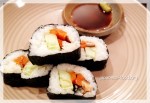
Homemade Vegetable Sushi Roll (Vegan/Vegetarian/Gluten Free)

Today I introduce you to “Homemade Sushi Rolls”.

In Japan, many restaurants serve great delicious Sushi, but my mother also often cooked Sushi Rolls, Inari Sushi and Chirashi Sushi by herself. We can change the ingredients and the seasonings as we like so I love homemade Sushi.

In this recipe, I used carrot, Shiitake mushroom and cucumber as the filling. And when I cook the carrot and mushrooms, I used kelp Dashi stock. So this is a meatless and eggless dish.

Of course you can use any kind of ingredients such as shrimp, chicken, beef, ham, cheese, fried egg, canned Tuna, spinach and so on.

In addition, you can make an adjustment for the seasoning of Sushi rice. If you don’t like the taste of vinegary sushi rice, you can reduce the rice vinegar. If you want more seasoning, you can add more sugar and salt.

The recipe is not complicated. It is easy, great to cook with kids, and is a wonderful dish for a potluck party!!

Make some of your own Sushi with this recipe!!


{Ingredients (servings 2)}

5 pieces Shiitake Mushroom

½ Carrot

½ Cucumber

1 cup Kelp Dashi stock
(Recommended Dried Kelp)Dried Kelp for Dashi stock

3 Tbsp. Yamasa Organic Soy Sauce
(Recommended Gluten-Free Soy Sauce)Soy Sauce REDUCED SODIUM [Gluten Free] (Organic)

2 Tbsp. Cooking Sake

2 Tbsp. Sugar

1 Tbsp. Mirin Sweet Cooking Rice Wine

1 piece Dried Seaweed for Sushi Roll

1 cup Steamed Rice
(Recommended Sushi Rice)Organic Sushi Rice

[for Sushi Rice Seasoning]

50 ml Rice Vinegar

1 Tbsp. Sugar

1 tsp. Salt

[Tool]

Makisu (Bamboo Sushi Mat)


Here is my recipe in PDF: Homemade Vegetable Sushi Roll

Here is “Kelp Dashi Stock Recipe” in PDF: Kelp Dashi stock


8 Comments

Tofu Steak with Vegetable Sauce (Vegan/Vegetarian/Gluten Free)

This is my mother’s original recipe for cooked tofu with a thick tender vegetable sauce seasoned with soy sauce. It is a simple and delicious main dish.

Tofu was brought to Japan from China about 800 years ago. Since then, tofu is one of the main sources of protein in the Japanese diet. Tofu is very nutritious and it is well-absorbed by the body.

You can use any vegetables you want for this sauce. You can also use any kind of Dashi stock so it is a good dish for vegetarians too.

I hope this recipe will be one of your favorite tofu-dish recipes!

{Ingredients (servings 2)}

7 oz. (half pack) Firm Tofu

½ Green Bell Pepper

4 Baby Bella Mushrooms

1 clove Garlic

½ cup Kelp Dashi Stock
(Recommended Dried Kelp for Dashi) Dried Kelp
*You can use any kind of Dashi stock: (Recommended Instant Dashi Stock) Ajinomoto – Hon Dashi

2 Tbsp. Yamasa Organic Soy Sauce
(Recommended Gluten-Free Soy Sauce)Soy Sauce REDUCED SODIUM [Gluten Free] (Organic)

2 Tbsp. Cooking Sake

2 Tbsp. Vegetable Oil

Salt and Pepper (for seasoning)

1 tsp. Potato Starch (for slurry)

2 tsp. water (for slurry)

Here is my recipe in PDF: Tofu Steak with Vegetable Sauce

Here is “Kelp Dashi Stock recipe” in PDF: Kelp Dashi stock

Here is “Anchovy Dashi Stock Recipe” in PDF: Homemade Anchovy Dashi Stock


2 Comments

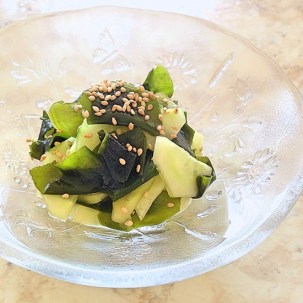
Seaweed Salad (Oil-Free/Vegan/Vegetarian/Gluten-Free)

I will introduce you to “Seaweed and Cucumber Salad” tossed with vinegar and sugar. It is very healthy and delicious! In Japan, we often eat this dish as a side dish because vinegar improves our appetite. And also dishes which include vinegar keep longer. This dish can keep about 5 days in the refrigerator. This is why Sushi rice is seasoned with vinegar. (Basically in Japan about 800 years ago, Sushi was not an expensive food like nowadays. It was a preservative food for common people. The conception was people put pickled fish on cooked rice and fermented it for a day.)


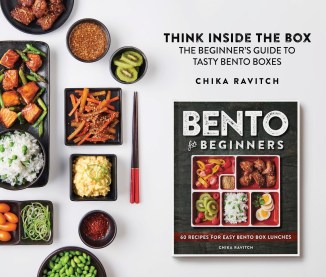
My book Bento for Beginners: 60 Recipes for Easy Bento Box Lunches

is now available on Amazon!!

img_5638


You can use some other ingredients for this salad recipe, such as seafood, carrot, Daikon, mushrooms, bean sprouts and so on. But seaweed and cucumber are the most popular ingredients in Japan. Cucumber is high in potassium so it is good for modern humans who tend to eat a high-salt diet. If you want to be healthier, it is good to eat more seaweed because seaweed is high in soluble fiber. Exercising and eating healthy is important to a good diet and the most important thing for improving your digestion and the function of your intestines. So if you want to try to be healthier, at first please think about your digestion. You should eat both insoluble fiber (vegetables, potatoes, mushrooms, beans…) and soluble fiber like seaweed to make your bowels work well. Please add this healthy side dish to your meals!

IMG_7770_Foodgawker


{Ingredients (servings 2)}

2 Tbsp. Dried Seaweed

A small Cucumber

1 Tbsp. plus 1 cup Water

2 Tbsp. Rice Vinegar

1 tsp. Yamasa Organic Soy Sauce
(Recommended Gluten-Free Soy Sauce)Soy Sauce REDUCED SODIUM [Gluten Free] (Organic)

1 tsp. Sugar

1 tsp. Cooking Sake

A pinch of Salt

White Roasted Sesame Seeds


Here is my recipe in PDF: Seaweed Salad (Oil-Free)


2 Comments

Sweet Sesame Dressing (Vegan/Vegetarian/Gluten-Free)

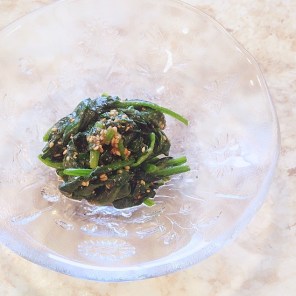
This is a traditional Japanese side dish which dresses boiled spinach with sweet sesame dressing. It is healthy, delicious, easy and a very quick dish.

The dressing contains sesame, soy sauce and sugar, and it has sweet taste so many kids can also enjoy the dish.

The basic arrangement for many Japanese meals is called “Ichi-juu, San-sai” which consists of one bowl of cooked rice, one kind of soup and three vegetables or fish side dishes, so this is a very common dish in the Japanese diet.

IMG_7295_Foodgawker

Enjoy this new healthy side dish!!

{Ingredients (servings 2)}

½ bunch Fresh Spinach

1 Tbsp. Soy Sauce
(Recommended Gluten-Free Soy Sauce)Soy Sauce REDUCED SODIUM [Gluten Free] (Organic)

1 Tbsp. Sugar

1 Tbsp. Mirin Sweet Cooking Rice Wine

1 Tbsp. White Roasted Sesame Seeds

Here is my recipe in PDF: Sweet Sesame Dressing


4 Comments

Healthy Fish Nabe (Gluten-Free)

Today I introduce you to Nabe which is a traditional Japanese simmering dish. Nabe is a very easy recipe that you can prepare with many kinds of ingredients. You can make Nabe with sea food, meat, various vegetables and various kinds of stock!

Nabe has a variety of great nutrients that come from the ingredients and the soup, and Nabe makes our bodies warm so Japanese usually have Nabe in winter time. Also, Nabe is a low-calorie dish if you choose the ingredients carefully.

Today, I used Tilapia. Tilapia is high in vitamin D, vitamin B12 and potassium. Also, Tilapia has a soft texture and light taste so it is good for many kinds of dishes. Just be careful not to cook it too much. Overcooking Tilapia makes the texture hard.

IMG_8862

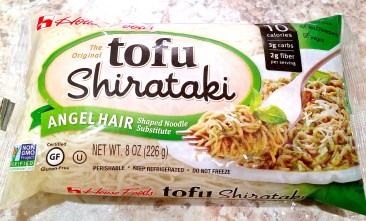
This is the Tofu Shirataki I used. It is a firm tofu noodle and common ingredient for Nabe in Japan. It is very easy for kids to eat. In this recipe you can substitute normal Tofu for this.

Enjoy this healthy and easy dinner!

{Ingredients (servings 2)}

1 fillet Tilapia

10 leaves Napa Cabbage

4 Shiitake mushrooms

3 Green Onions

1 pack Tofu Shirataki

1 piece (5 square inches) Dried Kelp

¼ cup Soy Sauce
(Recommended Gluten-Free Soy Sauce)Soy Sauce REDUCED SODIUM [Gluten Free] (Organic)

¼ cup Cooking Sake

2 ½ cups Water

Here is my recipe in PDF: Healthy Fish Nabe


Leave a comment

Braised Fish (Gluten-Free)

Braising is one common Japanese cooking method for fish. The taste is a typical Japanese “sweet-salty” taste, similar to Teriyaki or Sukiyaki seasoning. We use Cooking Sake, Soy Sauce, Mirin Sweet Cooking Rice Wine and sugar when braising.

We usually braise sardine, flounder, alfonsino, mackerel, cutlass fish, yellowtail and so on. I can’t always get many of these fish where I live in the U.S. so I chose Tilapia this time. Tilapia meat is good because it stays good after 15 minutes of braising and it soaks in the delicious sauce well.

When you braise fish, please add some slices of ginger. This kills the fishy smell and warms up your body because of the Gingerol action.

Enjoy your new fish recipe with steamed rice or with  Japanese Sake!!

{Ingredients (servings 2)}

1 Tilapia fillet

½ cup Cooking Sake

¼ cup Soy Sauce
(Recommended Gluten-Free Soy Sauce)Soy Sauce REDUCED SODIUM [Gluten Free] (Organic)

2 Tbsp. Sugar

1 Tbsp. Mirin Sweet Cooking Rice Wine

3 slices Ginger

2 Green Onions

Here is my recipe in PDF (5 MB): Braised Fish


3 Comments

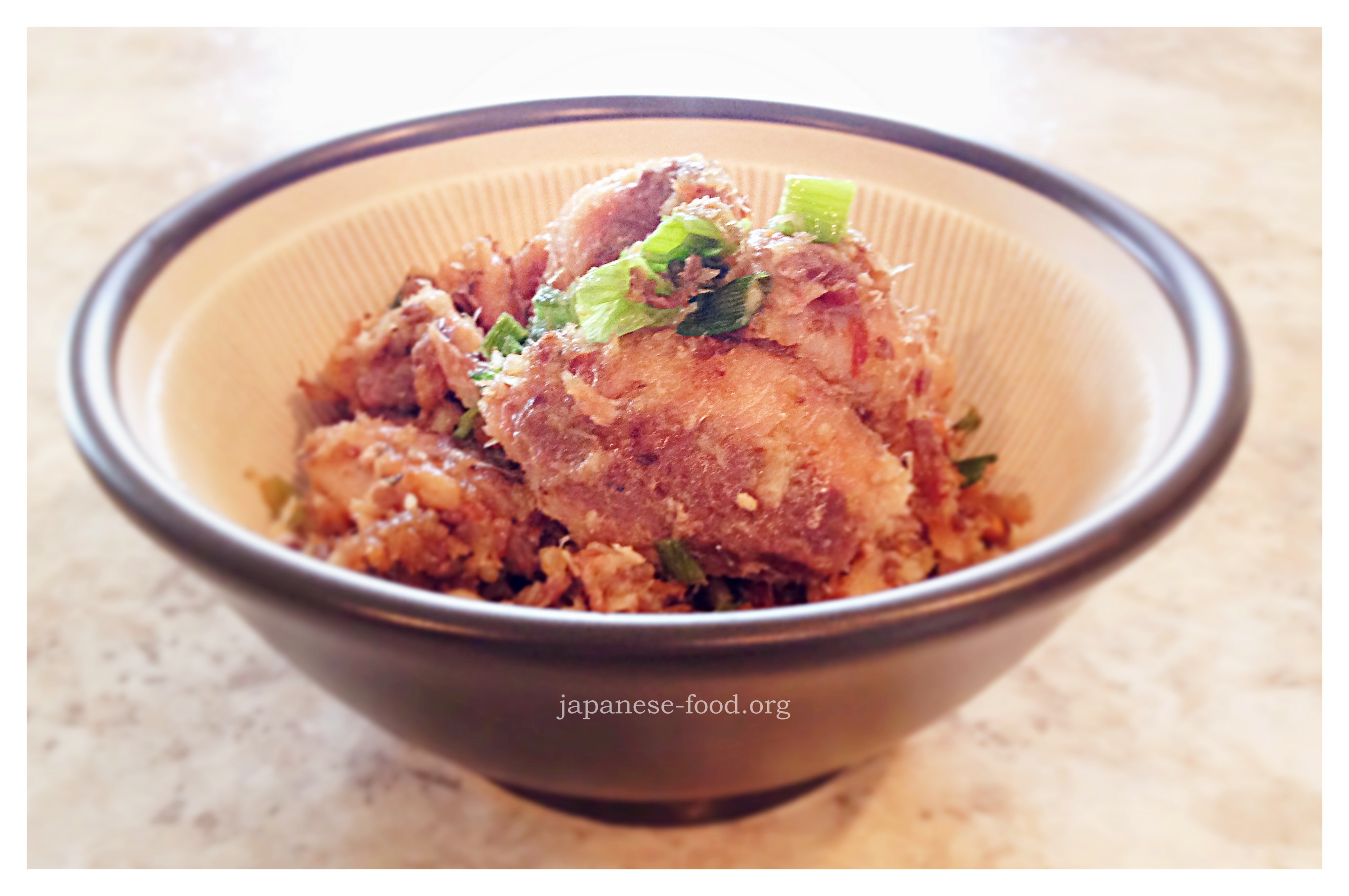
Extremely Healthy “Sautéed Sardine” (Gluten-Free)

Have you ever eaten canned sardines!? It is a great pantry food, which is very useful and delicious! Today I introduce you to “Sautéed Sardines”. This is a canned sardines recipe that is very flavorful, nutritious, and quick!

IMG_8483_Fotor

I often use canned sardines as a salad topping, sauté dish, pasta ingredient, pizza topping, on rice bowls, and so on.

As you know sardines are very substantial. They are high in protein, calcium, vitamin D, DHA (docosahexaenoic acid), EPA (eicosapentaenoic acid), vitamin Bs, coenzyme Q10, minerals, and so on. DHA works to activate the brain and EPA works for decreasing LDL cholesterol concentration in the blood and for boosting HDL cholesterol levels. http://nurse-web.jp/kouka/sardine/   http://www.wakasanohimitsu.jp/seibun/sardine/  I highly recommend eating sardines (including canned sardines, dried anchovy, or canned anchovy) everyday.

This time I used skinless and boneless canned sardines, but many canned sardines have skin. Even if your canned sardines have skin or bone, you can follow this recipe (You can eat the skin and bones which are high in calcium).

IMG_5274

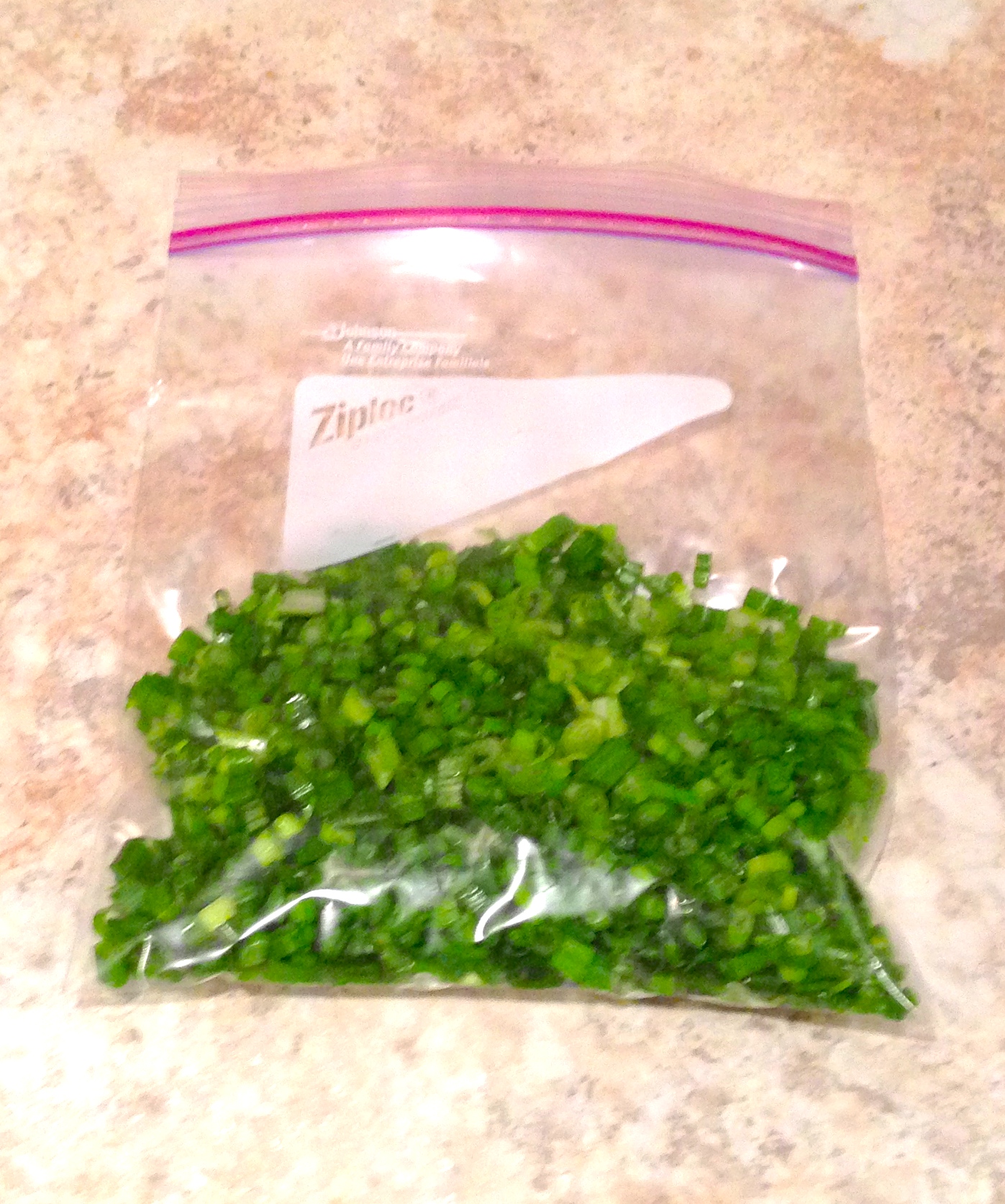
In addition, minced green onion is an essential ingredient in the Japanese diet so I always keep minced green onion in the freezer. I add the frozen minced green onion to the dish during the very last part of cooking process. To store, put minced green onions in a freezer bag and place in the freezer. Please use within a month.

{Ingredients (1 serving)}

1 can of Sardines

1 tsp. minced Garlic

1 tsp. minced Ginger

A pinch of Salt and Pepper (to taste)

1 Tbsp. Vegetable Oil

1 Tbsp. minced Green Onion

Here is my recipe in PDF (4 MB): Sauteed Sardines


9 Comments

Green Pea Rice (Vegan/Vegetarian/Gluten-Free)

Today I introduce you to steamed white rice with green peas. The Japanese process for cooking rice is a little complicated, so in this recipe I show you the easiest way to cook steamed rice. It takes about an hour, but you don’t need to do much.

We have many kinds of seasoned-steamed rice recipes, because rice is the most important carbohydrate in the  Japanese diet. Japanese rice is short-grain rice which is soft, sticky and a little bit sweet in taste. This is good for ease of digestion and also great for making Sushi rice.

The “Green Pea Rice” in this recipe has a slightly salty taste and a very tender green pea texture so even kids who don’t like green peas tend to eat this rice happily.

Green peas are high in protein, vitamins, minerals, fiber and so on. Green Peas also have more vitamin B1 and fiber than many vegetables. But the nutritional value can weaken under the heat so when you cook, you can add the green peas to the recipe as the last part of the cooking process.

I love rice but I don’t have time to cook it for every meal so I always cook large amounts of steamed rice and freeze some of it. To store steamed rice, put cooked rice in a freezer bag and keep in the freezer. When you want to heat it up, you can microwave on a microwavable dish for 2~2:30 minutes. Please use the frozen rice within a month.

{Ingredients (servings 2)}

1 ½ cup Dried Rice (short-grain rice)

⅓ cup Frozen Green Peas

1 tsp. Salt

2 Tbsp. Cooking Sake

Water for soaking rice and cooking rice

Here is my recipe in PDF (5 MB): Green Pea Rice