Your Home for Homemade Japanese Food

How to cook "with visual instructions" "using familiar ingredients from your local grocery stores" healthy, traditional and delicious Japanese dishes!!


Leave a comment

Chicken Meatball Soup


This very flavorful soup brings you great nutrition because the ingredients are chicken, green onion, ginger, dried shiitake mushroom and kelp. This dish is high in vitamin A, vitamin B, vitamin E, vitamin D, minerals, beta-carotene, allicin, calcium, protein and so on. Also it is low calorie and low fat. This dish makes you warm, gives your metabolism a boost, and helps improve your immunity so it is great to help you recover from sickness and get back a good appetite.

(Recommended Dried Kelp) Dashi Dried Kelp
IMG_0242

I highly recommend eating kelp occasionally. Recently, it is easy to get dried kelp at many grocery stores and at most Asian markets in the US. Japanese use kelp for Dashi stock and side dish like pickles. Dashi stock is used as seasoning in Japanese dishes. We use several kinds of Dashi stock such as dried anchovy, dried bonito, dried shiitake, dried kelp and so on. The kelp Dashi stock is great to compliment exquisite tasting ingredients. Kelp helps maintain your body’s alkaline. Also kelp has a good amount of fucoidan and iodine which are essential nutrients (in moderation) for humans.


{Ingredients (servings 2)}
*Click BLUE TEXT to link to the product on Amazon*

½ lb. Ground Chicken

1 Egg

2 Tbsp. minced Green Onion

½ tsp. grated Ginger

1 tsp. plus ½ separate Tbsp. Soy Sauce

½ tsp. plus ½ separate tsp. Salt

1 ½ Tbsp. plus ½ separate Tbsp. Cooking Sake

1 ½ Tbsp. Flour

1 carrot

3 pieces Dried Shiitake Mushrooms

2 cups Kelp Dashi Stock
(Recommended Dried Kelp for Dashi stock) Dashi Dried Kelp

1 cup Water (leftover from soaking Shiitake)


Here is my recipe in PDF (6MB): Chicken Meatball Soup

Here is “Kelp Dashi Stock” recipe in PDF (5MB): Kelp Dashi stock


Leave a comment

Heal your stomach with healthy Ginger Soymilk Soup after big dinner. (Gluten-Free)

This Ginger Soup is my mother’s original recipe. The ingredients are ginger, garlic, soy milk, onion, carrot and so on. Because of this, the dish makes you warm, helps your digestion, improves immunity, and speeds up your metabolism. I used to have the dish when I didn’t feel well. The dish has great flavor and incredible taste.

20121128_2741894

The nutrition in Napa cabbage is similar to that in regular cabbage, but it is lower in carbohydrate and calories than cabbage. Napa cabbage has Isothiocyanate, so it is good for digestion.

Importantly, Napa cabbage is an ingredient essential for Buddhist cuisine. Buddhist cuisine is a dish for Buddhist monks who are forbidden from eating meat and fish (Mahayana Buddhism). There are several detailed rules for cooking Buddhist cuisine.

9_20091001212426

For example:

Using the following in one meal.

5 cooking methods : Raw, Simmer, Bake, Fry, Steam

5 seasonings: Sweet, Acid, Salty, Gingery, Bitter

5 colors: Red, White, Green, Yellow, Black

In Buddhist cuisine the focus is on the minimum nutrition necessary for a human being. The goal is to not take too much energy and nutrition, and to be grateful for all life on earth. Recently, people on a diet or who have been  fasting tend to eat Buddhist cuisine after finishing the diet or fast, because it is easy on the stomach and healthy. We can have real Buddhist cuisine in some temples so it is popular with foreigners too.

Japanese healthy diets are based on Buddhist cuisine. On my site, there are some dishes that reflect Buddhist cuisine.

Enjoy this healthy ginger vegetable soy milk soup!


{Ingredients (2 servings)}

1 tsp. minced Garlic

½ tsp. grated Ginger

⅓ Napa Cabbage (7~10 leaves)

1 Onion

1 Carrot

2 Tbsp. minced Parsley to taste

¾ tsp. Salt

1 cup chicken stock

2 cups Soy Milk


Here is my recipe in PDF: Ginger Soup


3 Comments

Simmered Taro and Chicken (Gluten-Free)

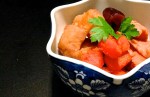
Simmered food is a traditional delicious Japanese dish. There are many kinds of vegetable or fish simmered dishes, such as root vegetables, eggplant, lettuce, flounder, anchovy and so on. My mother carefully taught me how to cook simmered dishes because traditionally these dishes are called “Homemade taste,” and in old Japanese traditions women who can cook simmered dishes were considered full-fledged wives, so my mother thought I might want to cook these dishes well for my husband. Of course, we live in a different era today and my husband and I often cook together so we have the great culinary tradition without the sexist overtones.

Basically, the ingredients are root vegetables so the dish includes a lot of fiber which is good for helping digestion. I also used chicken breast which it is low in fat and high in great protein.

141030_ooshima012_480_360

Taro is an important ingredient in homemade taste Japanese dishes. You can get it easily at most grocery stores in the US. Taro is high in potassium and water. Taro also is lower in calories than other kind of potato. When you chew taro, it can feel slightly gooey. This feeling comes from mucin, which is also in our saliva and stomach juice, and it helps the stomach function better.

Enjoy this traditional, nutritious and delicious dish!!

{Ingredients (Serves 2)}
*Click BLUE TEXT to link to the product on Amazon*

0.5 lb. Chicken Breast or Thigh

1 peeled Carrot

1 peeled Onion

4 Dried Shiitake Mushrooms

1 cup Water (leftover from soaking Shiitake)

3 Taros

5 tablespoons Soy Sauce REDUCED SODIUM [Gluten Free] (Organic)

5 tablespoons Cooking Sake

4 tablespoons Mirin Sweet Cooking Rice Wine

Here is my recipe in PDF: Simmered Taro and Chicken


1 Comment

Rice Porridge (Vegan/Vegetarian/Gluten-Free)

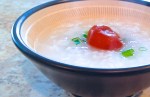
Rice porridge is an important dish for Japanese. We have the dish when we are sick, when we have no appetite, or when we want to heal the stomach after overeating such as after new year celebrations.

Rice porridge is easy to cook (just put washed dried rice and water in a pan and cook!) and you can season it however you want. We usually eat it with salt or pickles. You can also put sugar and butter like oatmeal or cereal.


{Ingredients (Serves 2)}
*Click BLUE TEXT to link to the product on Amazon*

・1 cup Premium Rice, Medium Grain

・7 cups water

・1 teaspoon chopped Green Onion (as topping)

・1 Umeboshi (pickled plum) (as topping)


Here is my recipe in PDF: Rice Porridge


Leave a comment

Chicken Hamburger Steak in Japanese Style

Hamburger steak is a very popular dish in Japan. There are a lot of restaurants that specialize in hamburger steak. We usually have hamburger steak with sides of  vegetables and white rice, not with hamburger buns.

The hamburger steak recipe was brought to Japan from Germany. Japanese adjusted the recipe better for Japanese taste. Today I will teach you how to make the “Japanese style” Hamburger Steak, which is the most popular style in Japan.

I will teach you how to make Chicken Hamburger Steak with shiitake mushroom and onion in Japanese style. You can use any kind of vegetables you want in this recipe, and you could use beef instead of chicken if you want.

My mother often cooked it with ground chicken and many kinds of chopped vegetables to make it healthier.

Chicken meat has great taste, is good for digestion, and fortifies your nutrition if you are recovering from being sick. It is higher in amino acids and vitamin A than pork or beef, but has half the fat of pork or beef.

I put grated ginger in the steak because ginger has great flavor and also helps rid the meat of its chicken smell. Good smell is very important in many forms of Japanese cooking so that you can experience great taste, texture, and smell. Also, we serve Hamburger Steak with grated daikon (Japanese white radish) and soy sauce-rice vinegar sauce, which make the dish taste better and helps digestion.

It is very delicious! Enjoy!!


{Ingredients (Serves 2)}
*Click BLUE TEXT to link to the product on Amazon*

・1 lb. Ground Chicken

・1 Onion

・2 Dried Shiitake Mushrooms

・1 Egg

・½ cup Panko Bread Crumbs Japanese Style

・½ teaspoon Salt (total)

・½ teaspoon Black pepper

・1 teaspoon Grated Ginger

・1 teaspoon Chopped Garlic

・1 inch round, sliced Daikon (Japanese white radish)

・¼ cup Soy Sauce

・2 tablespoons Rice Vinegar


Here is my recipe in PDF: Chicken Hamburger Steak in Japanese style


1 Comment

Simmered Japanese White Radish (Vegan/Vegetarian/Gluten-Free)

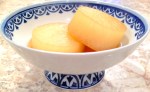
Japanese use Daikon (Japanese white radish) for many dishes. Daikon is high in water, vitamin C and vitamin A, and is a low calorie ingredient. Daikon helps digestion so we sometimes eat fish or meat with grated daikon.

Today I will introduce “Simmered Daikon”.  This dish is really easy to cook and delicious! It is one of the best dishes in my mother’s recipes. It is called “Daikon no taitan” just in the Kyoto area (Kansai region) of Japan, so this dish is one representative of Kyoto.


{Ingredients (For 2 people)}
*Click BLUE TEXT to link to the product on Amazon*

Daikon (Japanese white radish)

2 ½ cups Kelp Dashi stock
(Recommended Dried Kelp for Dashi stock) Dashi Dried Kelp

2 tablespoons Cooking Sake

2 tablespoons Soy Sauce REDUCED SODIUM [Gluten Free] (Organic)

1 tablespoons Mirin Sweet Cooking Rice Wine


Here is my recipe in PDF: Simmered Japanese white radish

Here is “Kelp Dashi Stock” recipe in PDF: Kelp Dashi stock